Showing posts with label tourism. Show all posts

Thursday, May 6, 2021

Connecticut

The first state that is actually near me.

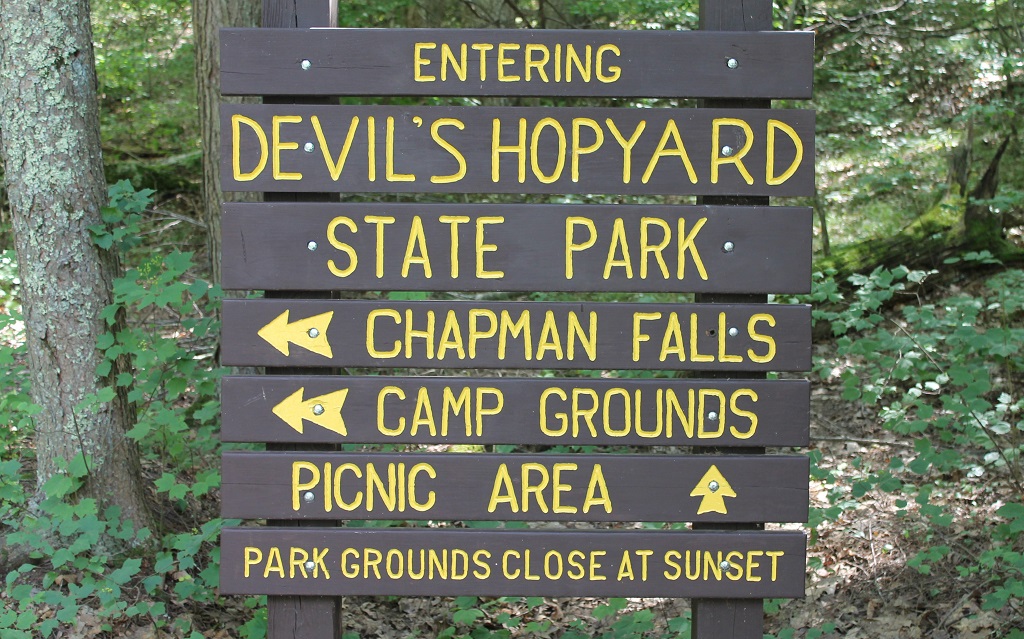
1. Devil's Hopyard State Park, 7 miles east of East Haddam, on State Highway 85. "Rugged Ravine, five waterfalls, unusual rock formations; hiking trails and picnic grounds."
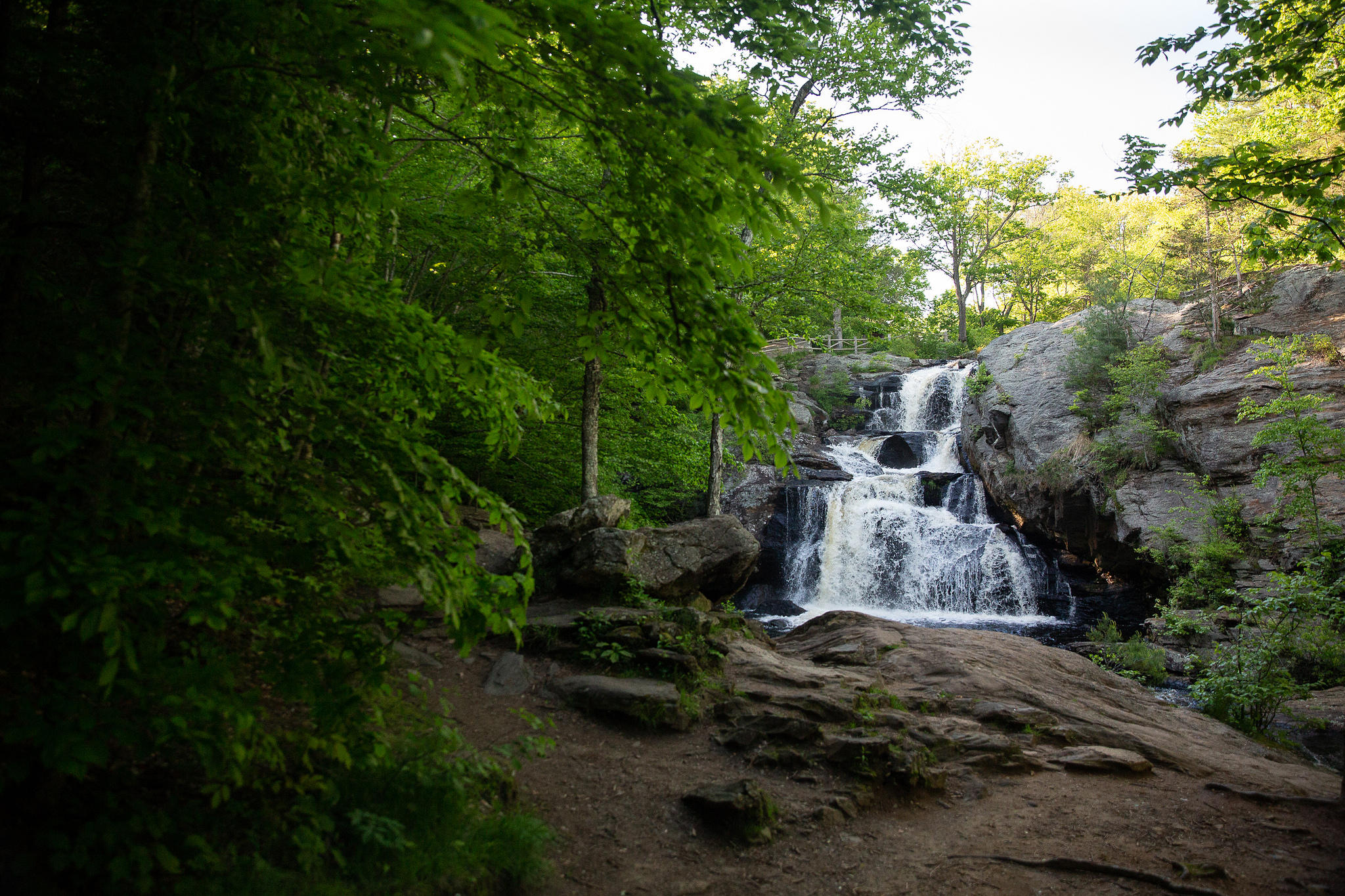

I visited this place back in 2010. Here are some pictures and some account of that expedition, Part I, and Part II. Looking back I have very fond memories of this trip now. We went down for I believe a two night stay around the middle of August, right before school started, and I enjoyed that time so much that for many years afterwards I tried to do something similar every year. While some of those trips, especially the first few years afterwards, also hold some good memories--we went to Boothbay Harbor in Maine one year, and the White Mountains in another one--they never quite matched for me that Connecticut trip. I think it was partly the children's ages--we only had the four boys then, and their ages were 8, 7, 4 and 1, so they pretty much went along with anything. Also at that time we could also still fit in one hotel room, which as they got bigger and we had one and then two more children, became impossible. We took a few camping trips, which the younger children at least actually liked, but I never really warmed to camping. Also one year--the last we tried this August mini vacation--we tried to camp on Cape Cod, which is a mistake because, as I realize now, it rains there much more frequently than anywhere else in New England, and by the third day our tents were so soaked through that we just gave it up and came home. But I will always look back at the Devil's Hopyard trip as a high point of the older boys' childhoods. 

2. Fort Shantok State Park, 4 miles south of Norwich, on State Highway 12. "Once the site of an old Mohegan Indian village. Contains the remains of the old Shantok Indian fort, and the Shantok burial ground, now surrounded by a log stockade."


In 1995 the state of Connecticut returned the site to the Mohegan tribe. It is very near the famous (in New England) Mohegan Sun Casino, which is on the same tribal lands, and which was not yet in operation in the 1960s. I have never been to a casino, which is the kind of place I suspect I would enjoy going to, or would have when I was younger. Twenty years into having children and with no end in sight I am out of practice of doing, or even imagining myself doing, anything that could be considered "adult" "fun" of this sort. Indeed, after spending much time over these decades dreaming about traveling again someday or living the international expat life instead of being tied down to my job and family I worry am losing interest in it and growing cranky about it now as either an impossibility or a frivolity. I'll see a video now of attractive 29 year old westerners living in some tropical place especially, and even if they aren't partying that much, whereas up until very recently I would have been envious, my reaction now all of a sudden is that somehow they shouldn't be doing that, it's not quite right. But why wouldn't it be right? When I was that age I would have loved the idea of doing that sort of thing, though I would have preferred to be in one of the European capitals.

There is a banner on one of the Google search items for Fort Shantok stating that it is permanently closed but I cannot find any corroboration for this. There is a review from someone claiming to have there as recently as 4 months ago, though 3 months ago a commenter wrote that there are no signs for this park in the neighborhood and that he was unable to find it. 
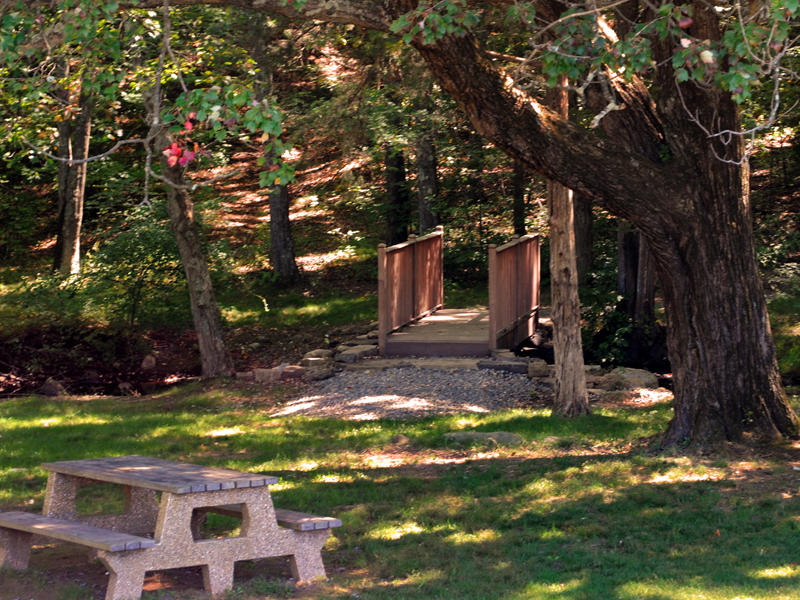

3. Colonial Museum, in Israel Putnam Memorial Campground, 5 miles southeast of Danbury, on State Highway 58. "Contains many interesting relics from the Revolutionary War."     


I think this is what they are talking about, and it is still open, though I don't know whether it is open right now. It is part of the Putnam Memorial State Park in Redding, which is Connecticut's oldest state park, dating to 1887. The current museum was built in the 1920s. Due to declining visitation throughout the 1970s and 80s the park was decommissioned for most of the 90s but re-opened as a state facility in 1997. Other features include a visitor's center and a statue of Israel Putnam (donated 1969), the grounds being where Putnam passed the winter of 1778-9. As you probably know, this general is most celebrated for his successful leadership at the battle of Bunker Hill, where he gave the legendary order, "Don't fire until you see the whites of their eyes." This sounds like my kind of place. I hope they are doing better. Maybe I could stop in sometime on my way to Philadelphia--it's right off I-84--if I ever take a trip down there again. 


4. Barnum Institute of Science and History, in Bridgeport, on U.S. Route 1. "Contains personal belongings of P. T. Barnum, born in this city, and of Tom Thumb, the 26-inch midget who was the star attraction of Barnum's circus." 
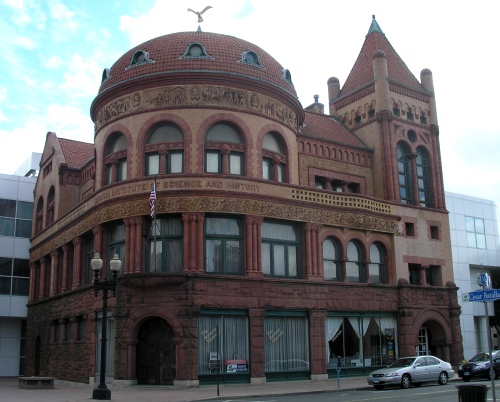

Now called the Barnum Museum, this place is closed currently due to the pandemic, but is expecting to be open again once all of that is over. This institution seems to be too historically important to have been allowed to be turned into a spectacle. In 2016 it received a grant from the National Endowment for the Humanities, and admission is free, with donations accepted. Bridgeport is a pretty run down city on I-95 that I suspect most people, including me, have not given much thought to visiting, but I'd go see this. Maybe I could combine it with a ride up to New Haven for pizza afterwards, as I have reading about the pizza in New Haven (Frank Pepe's and the other place that I don't remember the name of but that knowing people claim is better) for at least 25 years now but have never gone down to have it. 

5. Traveler's Tower, in Hartford, on U.S. Route 6. "The highest building in New England, 527 feet high."
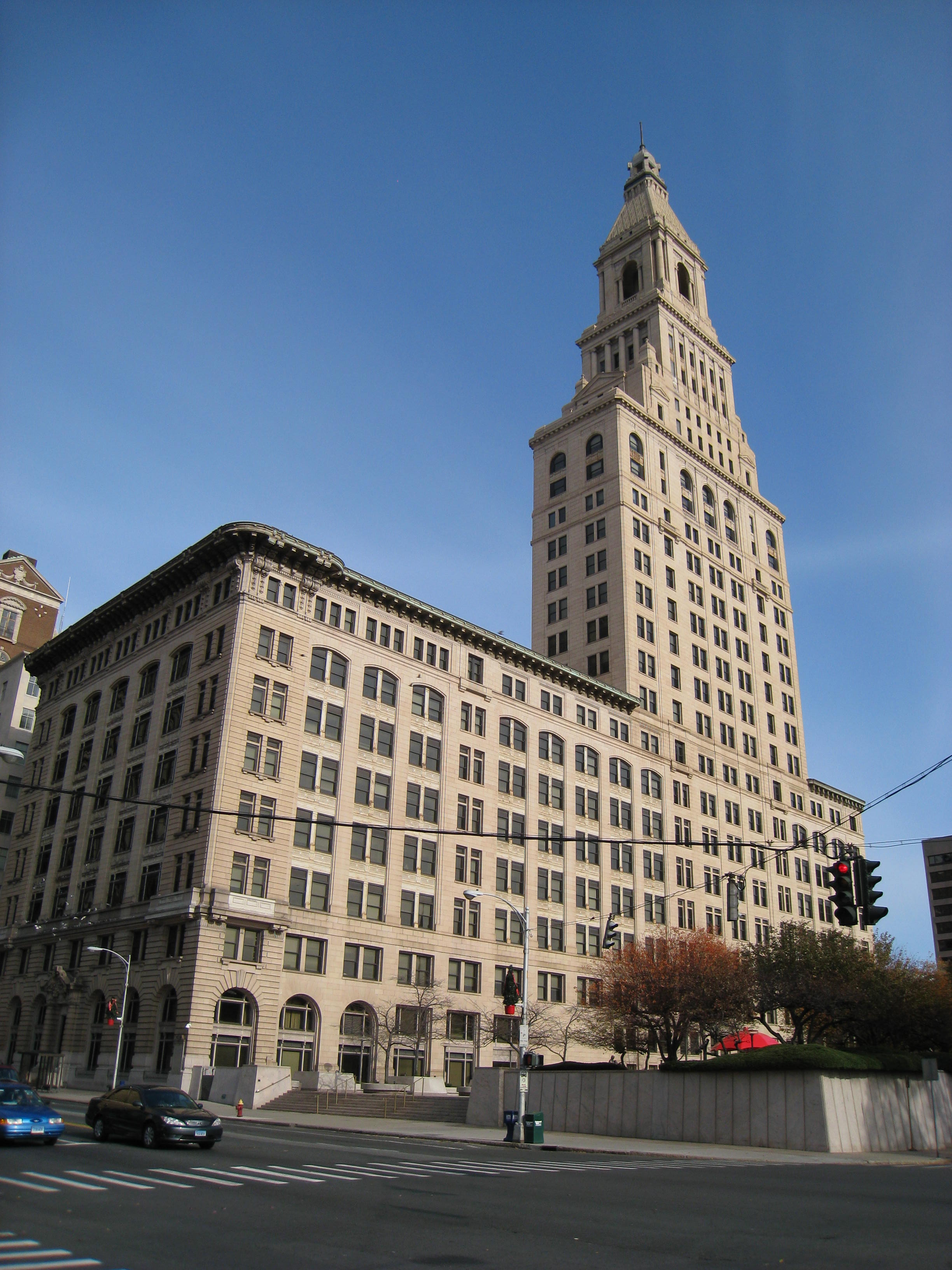

The seventh tallest building in the world when it was constructed in 1919, it was dethroned as the tallest in New England in 1964 by the Prudential Building in Boston (itself since surpassed by the John Hancock Tower, the reigning champion since 1976). It still houses the headquarters of the Traveler's Insurance Company. There is an observation deck on the 27th floor, although since 2017 even this doesn't appear to be open to the public (they stopped giving tours of the rest of the building in the 1990s).


6. Children's Museum, in Hartford, on U.S. Route 6. "Contains fossils, shells, insects, birds, animals, and things of interest about the Indians of North America." 


Somewhat to my surprise, given the usual associations that come with calling something a "children's museum" nowadays, this institution still exists and still specializes in animal and science exhibits (I don't what happened to the Indian exhibits; there is no reference to them on the website at least). The museum has relocated to West Hartford from its original location, though that happened in 1958. An article appeared on March 5, 2020 reporting that plans were afoot to relocate again to a new state of the art building in Hartford, but I am guessing this has been put on hold for the time being. Looking over the reviews, there are some complaints about the building being run down and the exhibits dated, but of course that is exactly the sort of attraction I am looking for. A lot of people still like it.


In the California post I stated that it was the only state in the set whose article included a gallery of famous residents, but I was wrong! Connecticut has a list too. Here is who was considered to be historically notable in state history in the environment of 1960. 

"More famous inventors have come from Connecticut than from almost any other state. In addition to the men mentioned in other sections of this article* are John Fitch, who made the first steamboat, Samuel Colt, who perfected the revolver, Charles Goodyear, who discovered a practical way of hardening rubber, called vulcanizing, and David Bushnell and Simon Lake, who made improvements on the submarine. Eli Whitney, who invented the cotton gin, made his home in Connecticut.

The famous circus man, Phineas T. Barnum, was born there, as was Noah Webster, who wrote the first American dictionary. 

Many important people also made Connecticut their home, including the writers Harriet Beecher Stowe and Mark Twain." While this wording implies that the inventors and other notables mentioned previously were not important people, I don't think that is what was intended. 

*Among these I see Eli Terry and Seth Thomas ("improved the modern clock"); Linus Yale ("the locks people have on their houses were invented by" him); John Ireland Howe, inventor of "a machine to make pins and needles"; Ethan Allen; and Benedict Arnold.




Thursday, February 18, 2021

Colorado

After a somewhat disappointingly small selection from California, we have a more typical, for the western states, large number of places to visit in Colorado, and not all of them National Parks either, though those are certainly wonderful. 

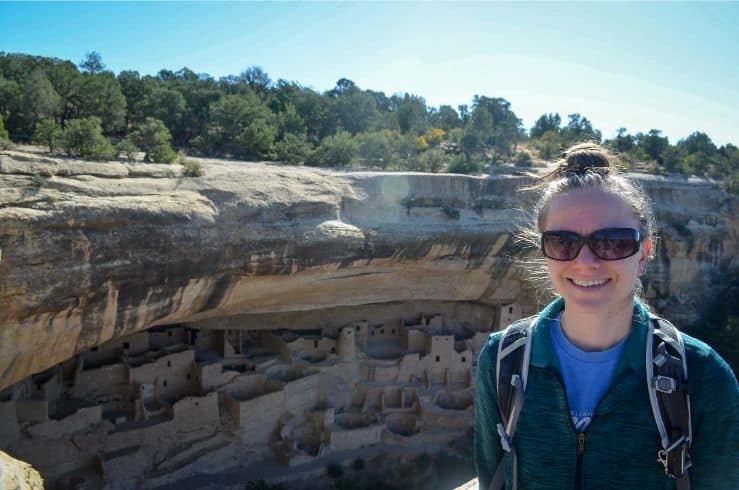
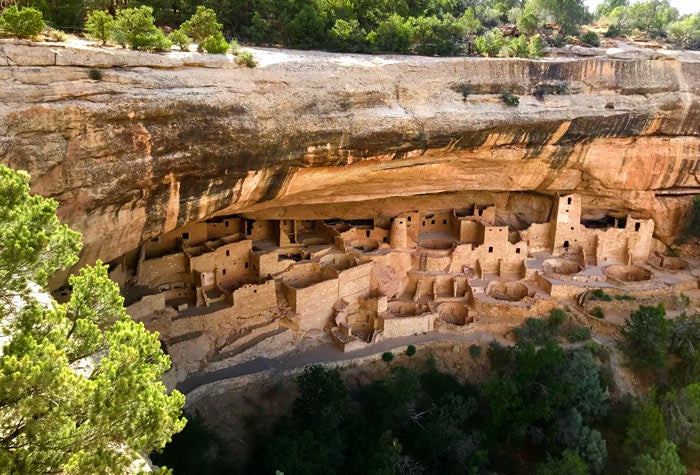
1. Mesa Verde National Park, in the southwest, about thirty miles from Durango, on U.S. Route 160. "Most notable and best preserved prehistoric cliff dwelling of early man in the United States."


Approximately 560,000 annual visitors. The largest archaeological preserve in the United States. Tremendous history. There is also a lodge, as well as multiple restaurants within the park. And camping, of course. 


2. Rocky Mountain National Park, in north central Colorado, 23 miles north of Boulder, on U.S. Route 34. "One of the most magnificent sections of the Rocky Mountains, with 65 peaks more than 10,000 feet high."


4.6 million visitors in 2019, the third most visited national park. Pretty much the classic national park experience, it's got mountains, it's got forests, it's got lakes, it's got wildlife. It's even got tundra at some of the higher elevations. The nearby town of Estes Park, located just outside the gates of the park, looks to have some bars. 


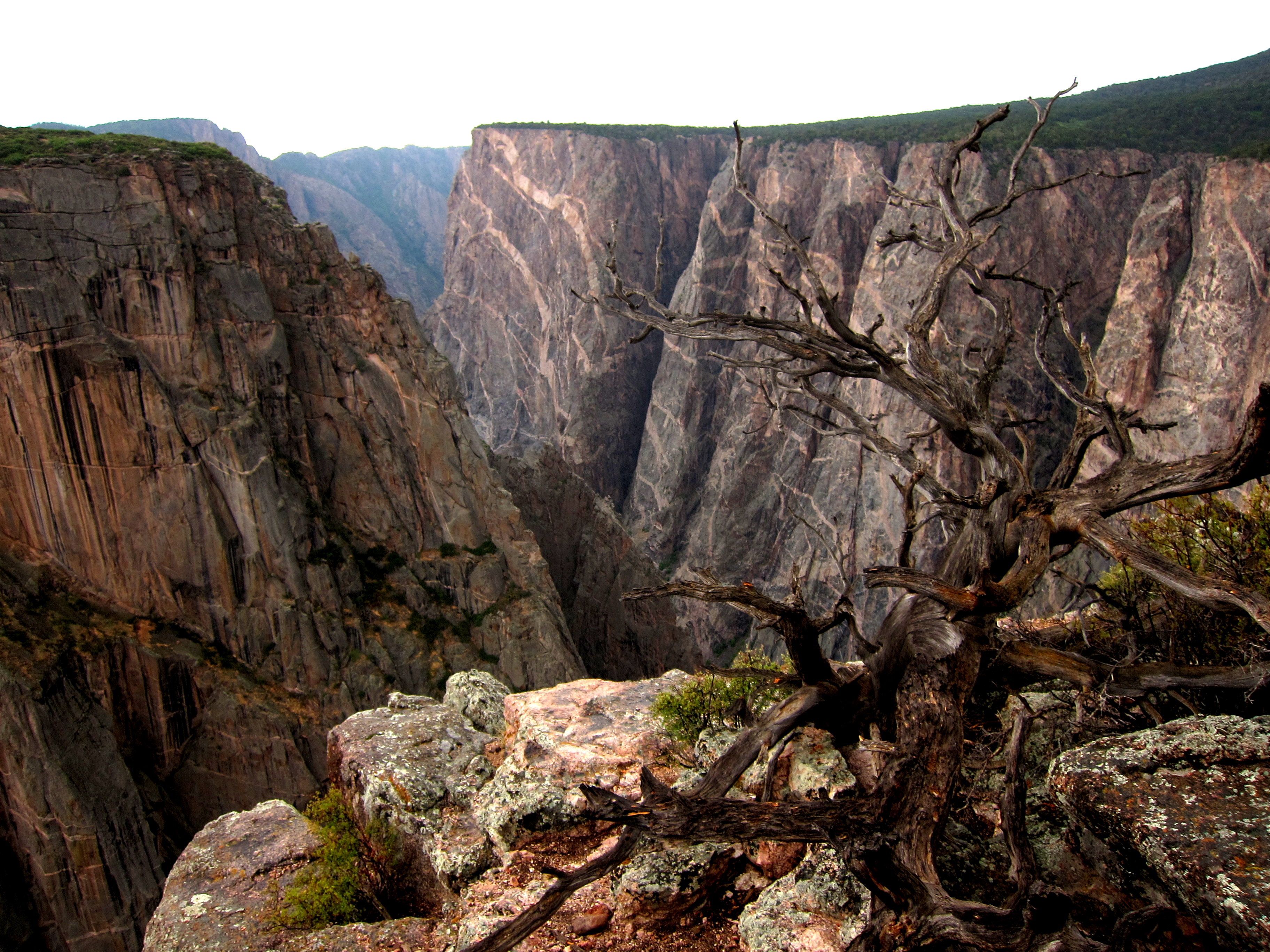
3. Black Canyon of the Gunnison National Monument,
in west central Colorado, about 10 miles north of Montrose, on U.S. Route 50. "Awe-inspiring canyon; the deepest in Colorado; its sheer walls rise 3,000 feet at their highest point."


308,000 visitors in 2018. This is a no frills, you get what is advertised kind of natural site, noted especially for its narrowness, darkness, and dread." Sounds kind of cool actually, the sort of place we (we referring to my imaginary troop of congenial spirits) should all be going to more often. It looks like its in a pretty isolated spot, with fairly sparse facilities and tourist entertainment options.


4. Colorado National Monument,
in the west, six miles west of Grand Junction, on U.S. Routes 6 and 24. "Sheer-walled canyons and caves filled with huge stones, strangely shaped." 


375,000 annual visitors. This place sounds similar to the Black Canyon above, and is somewhat near it (76 miles by road), though this one seems a little more famous and the formations look more familiar, though perhaps they merely resemble other formations such as the ones in Utah and Arizona that are really iconic. The town of Grand Junction appears to have a lot of places to drink, including breweries and vineyards, to which one might earn a visit after a full day of hiking or horseback riding (though not merely driving and taking in scenic views, you can't party on that alone).


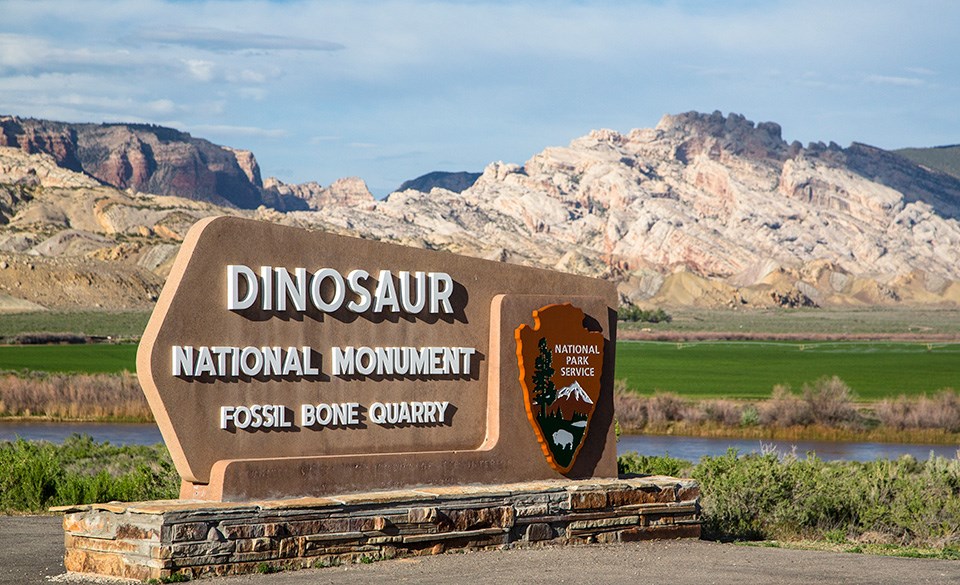
5. Dinosaur National Monument, in the northwest, partly in Utah, 35 miles north of Rangely, on U.S. Route 40. "Fossil remains of giant reptiles, and other creatures of past ages; magnificent deep gorges."


304,000 visitors. Another remote place, so much so that personally I think I would find the presence of a U.S. government agency there almost reassuring. Looks very family-oriented, with a lot of artifacts to see and learning opportunities, we like those. It does not appear one of the more party-oriented National Park areas. 


6. Great Sand Dunes National Monument, in south central Colorado, about 31 miles east of Monte Vista, north of U.S. Route 160. "Among largest and highest dunes in the United States, deposited over thousands of years by winds; visible for seventy miles; colors of the sand change constantly with the light."


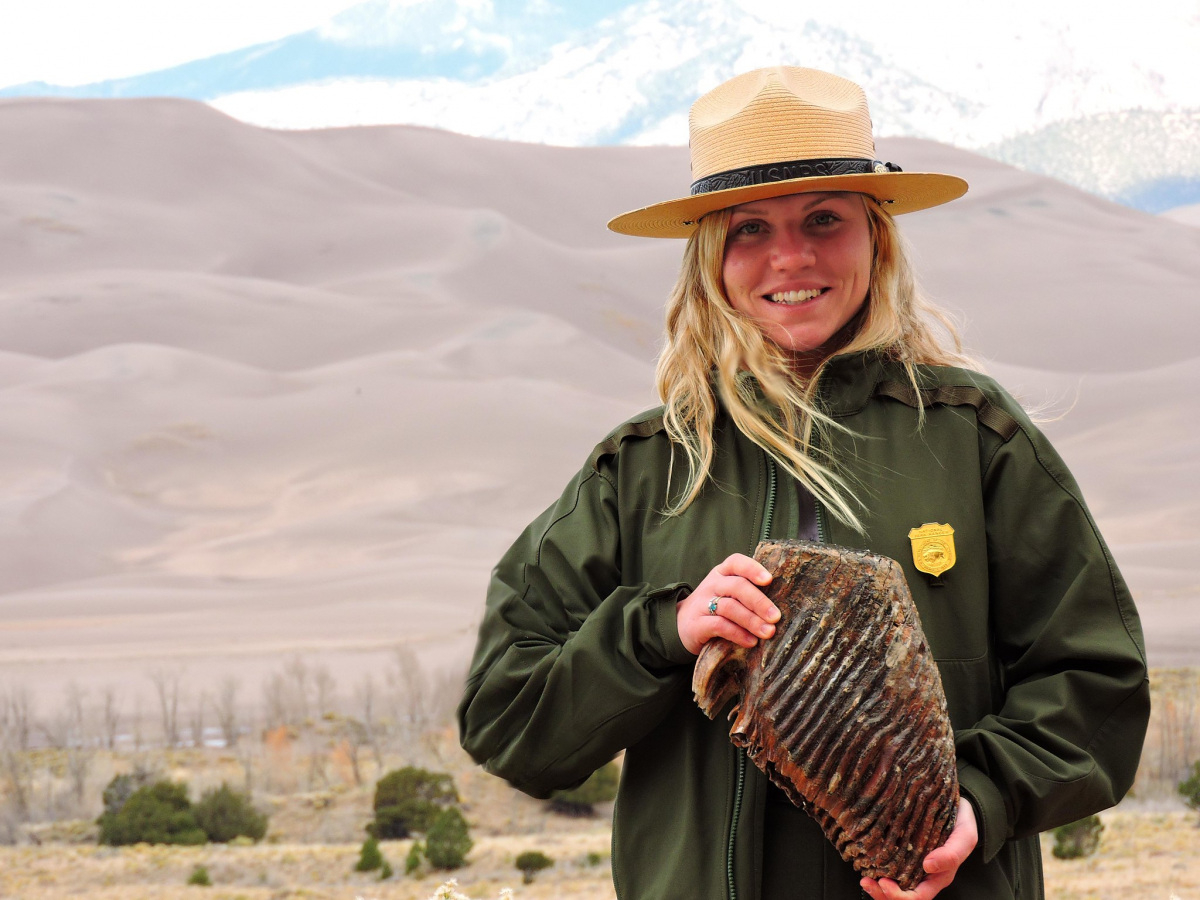
Upgraded to a National Park in 2004. 527,000 visitors in 2019. You have to walk across a creek to get to the dunes, though it is never more than a few inches deep. These are the tallest sand dunes in North America. Other than camping, there is no accommodation within the park. There are a few basic hotels and rustic cabin type places just outside the gates, as well as one restaurant. Everything else in that line is around 30 miles away, which I suppose is nothing out west, though in the east I at least would feel left out of whatever scene was going on around the great tourist attraction if I had to stay that far away. But I always feel that way anyway. 


7. Hovenweep National Monument,
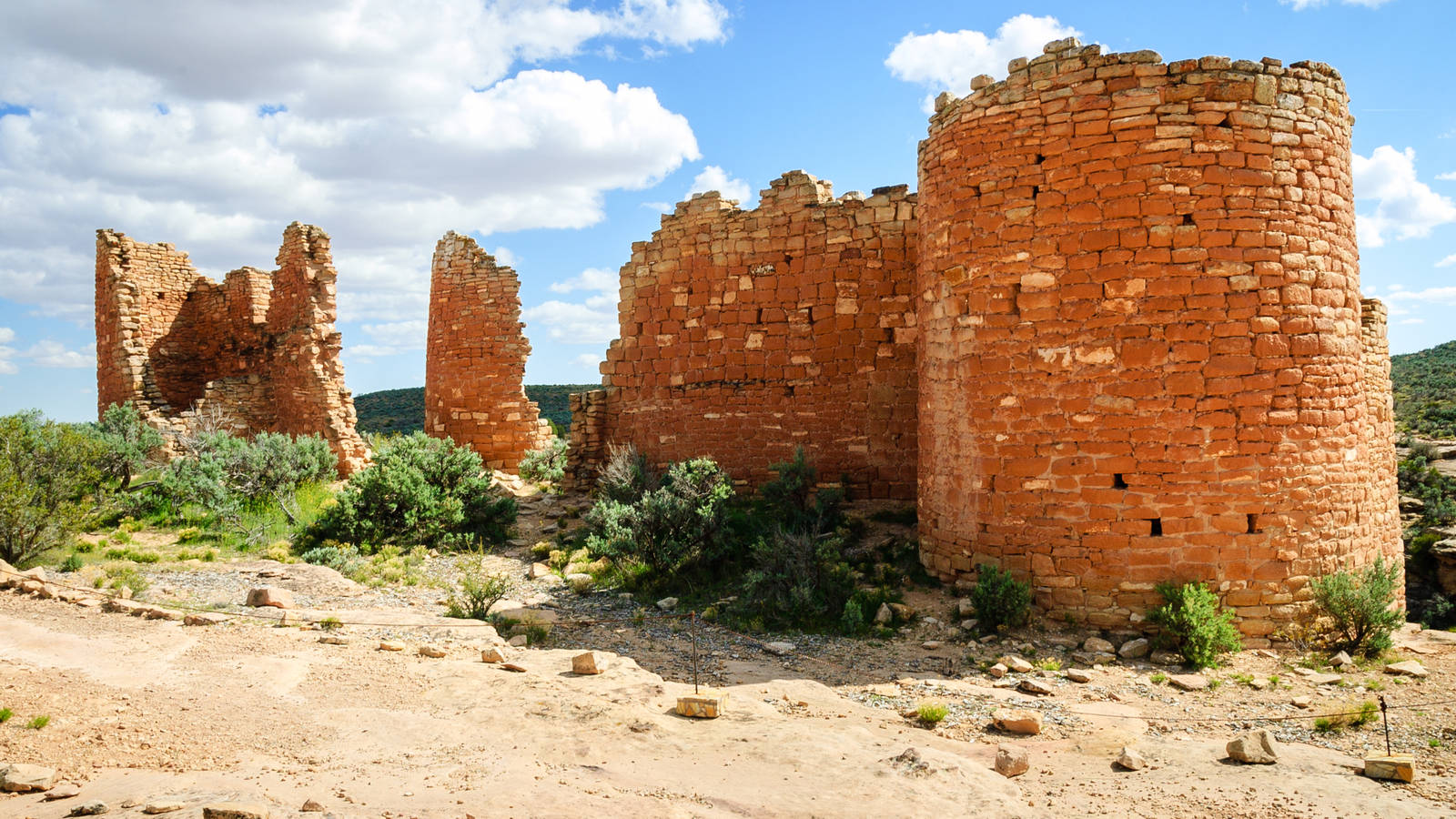
in the southwest, partly in Utah, 28 miles west of Cortez, west of U.S. Route 160. "Four groups of remarkable prehistoric towers, pueblos, and cliff dwellings."


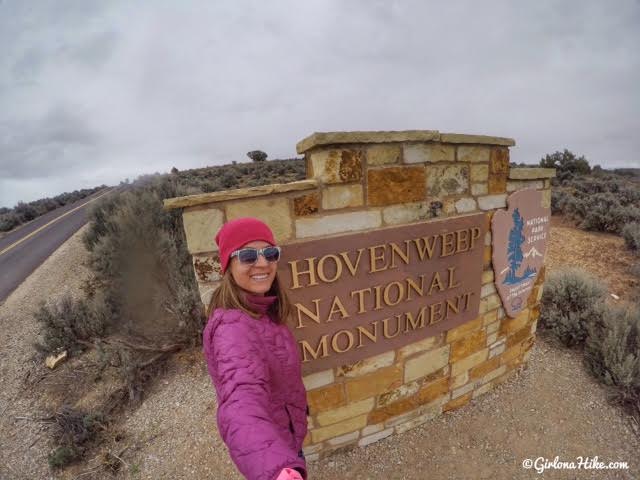
Just 39,000 visitors in 2017. This place is extra isolated, and most online reviews, while extremely positive, make a point of exhorting any potential visitors to be sure to "bring lots of water." It looks like a cool place to visit. I would like to go and study at some leisure at the actual sites how these ancient peoples managed to live for centuries in these remote and barren locations that even the most voracious, antisocial, or ingenious westerners do not appear to have any interest in inhabiting. 


8. Yucca House National Monument, in the southwest, 10 miles south of Cortez, on U.S. Route 666. "Unexcavated ruins of large prehistoric Indian pueblo."


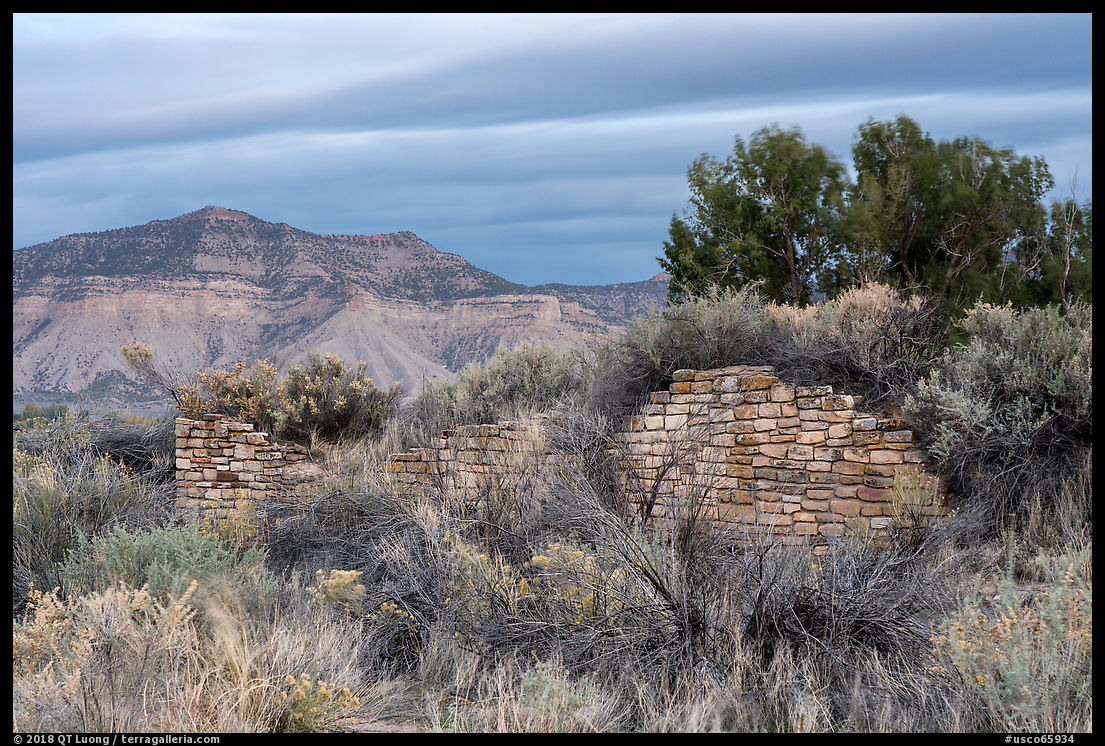
About an hour from Hovenweep, which is practically across the street in this part of the world. Annual visitors: less than 1,000. This blog post makes the argument, and not unpersuasively, that this is perhaps the worst National Monument in the system. I can imagine my wife and most of my children arriving at this place as part of my itinerary after a four day's (or more) drive out west and launching a mutiny on the spot, it's happened before. 


The inviting gate at Yucca House National Monument


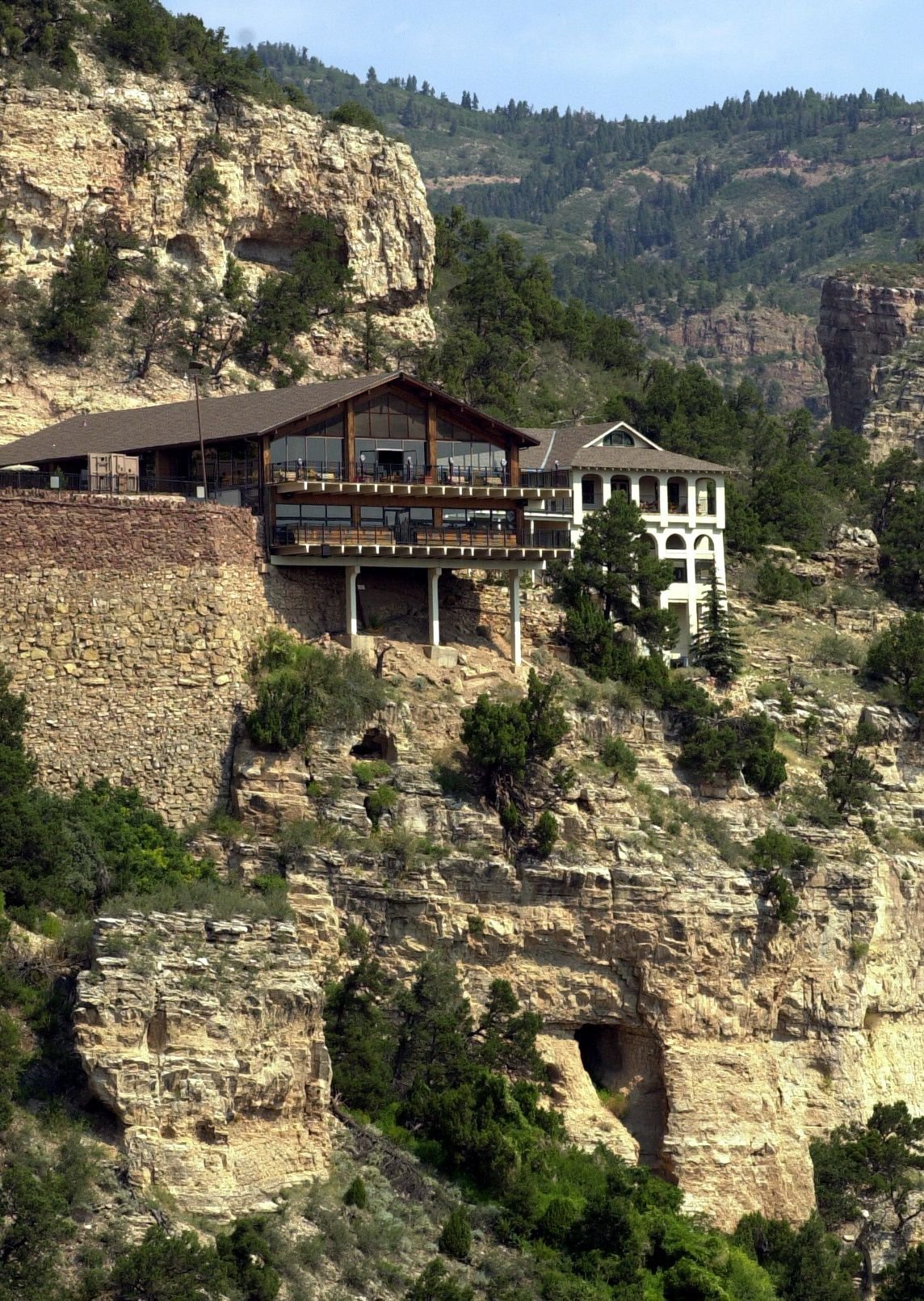
9. Cave of the Winds,
in central Colorado, 8 miles west of Colorado Springs, on U.S. Route 24. "One chamber of the cave is known as 'Old Maid's Kitchen'; legend has it that if a girl leaves a hairpin here she will be married within a year; thousands of hairpins are heaped against the walls." 


This place in 2021 has been turbocharged into a family-friendly adventure attraction charging $23 per adult and $17 for children 4-12. There appear to be rides and rock climbing like activities as well as cave tours. It looks a little more aggressively commercial than I usually like (unaggressively commercial I am OK with). It is located in what looks like quite a touristy area, with Pike's Peak and the well-preserved historic village of Manitou Springs, as well as the lively and prosperous city of Colorado Springs itself all nearby. The Old Maid's Kitchen is not hyped at all on the current website or other promotional material, and I wonder whether the tours include it anymore. I can only find one modern-looking picture of it on the internet, so I think it must still be there, but people are out of the habit of leaving wishes for husbands (or probably wishing for husbands at all).


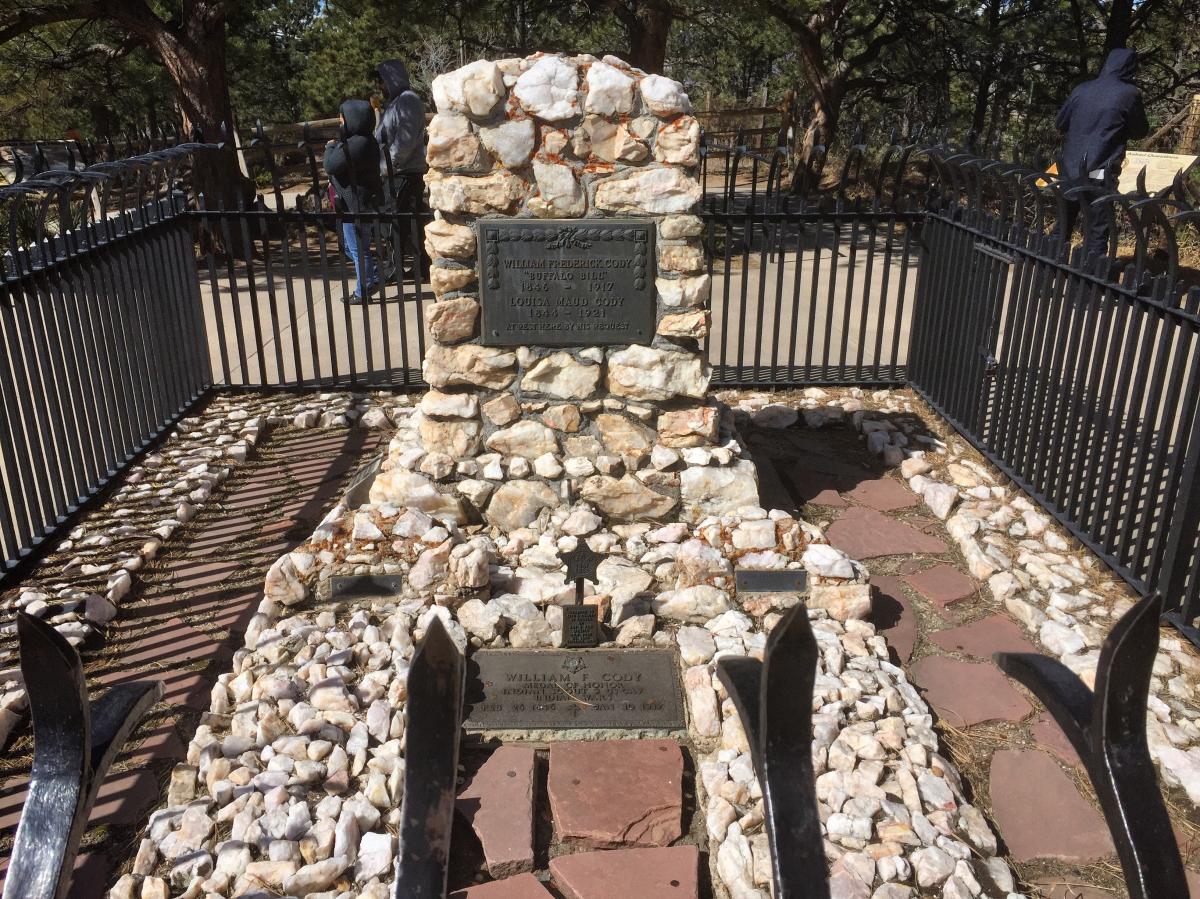
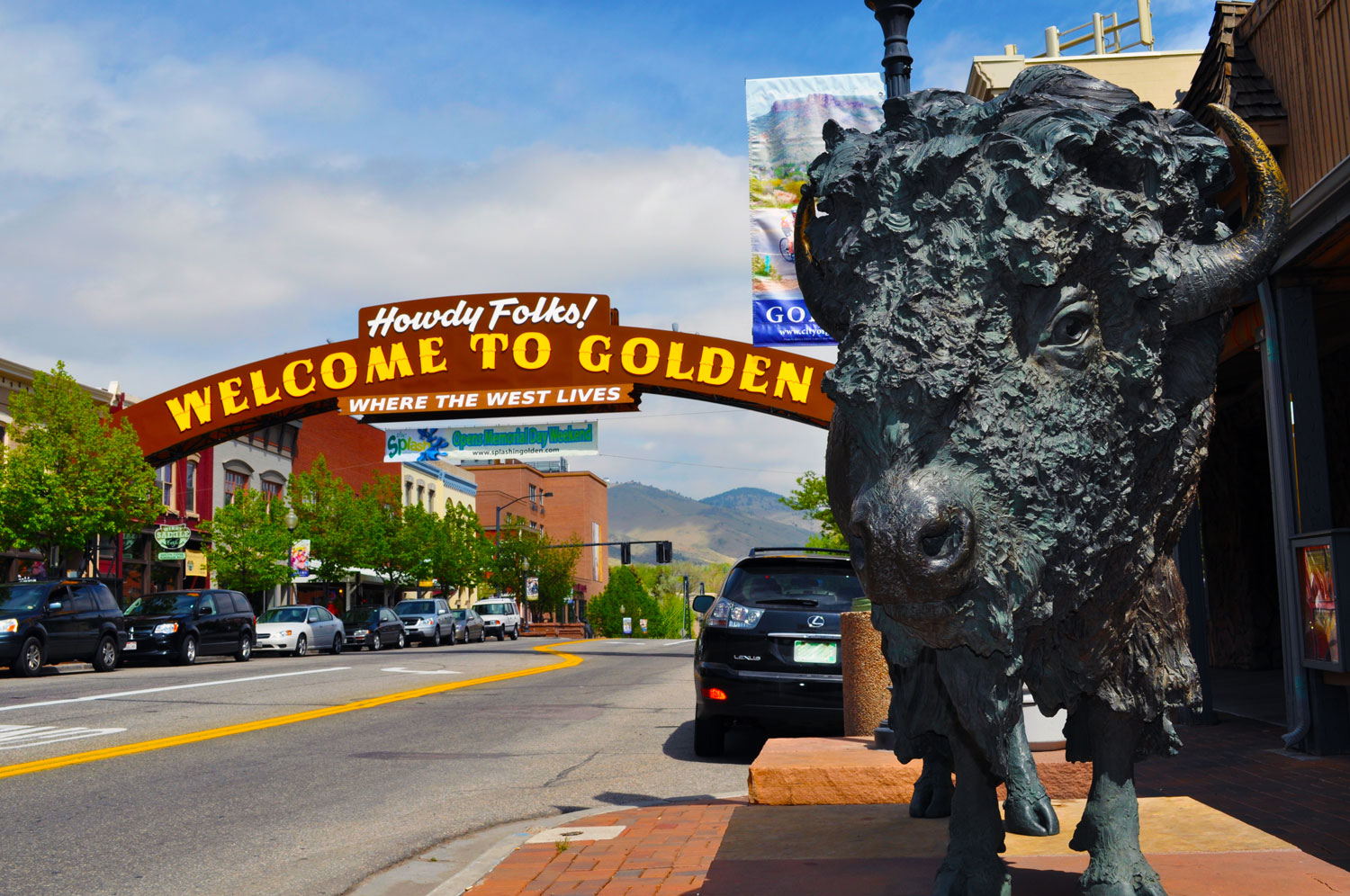
10. Buffalo Bill's Grave, in north central Colorado, on Lookout Mountain at Golden, on U.S. Route 6. "Grave of William F. Cody, Indian fighter."


Over 400,000 annual visitors. There is a small museum (with a huge gift shop) at the site as well, charging $5 for adults and $1 for children. This is the kind of unaggressively commercial place I like that I was referring to earlier (if I can be modestly entertained and get out for $5 if that's all I want to spend I consider that acceptably unaggressive). 


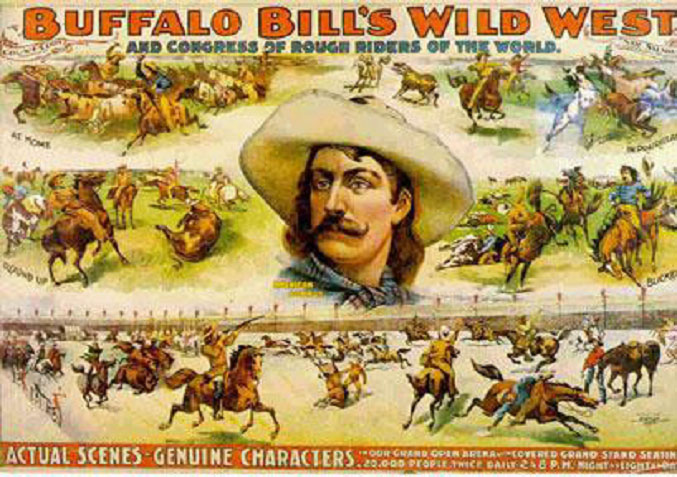
It is of course worthy of note that Buffalo Bill, the legendary showman and character of the Old West, is identified here by the sobriquet of "Indian fighter", as if this were a source of pride, though he probably exaggerated the extent of his personal role in subduing the unruly natives. He was also highly renowned for having shot over 4,200 buffaloes, or bisons, during a two year period when he was 21 and 22 years old, though I would not be surprised if this carnage was not somewhat overstated also for dramatic effect. All of this would make him a good candidate for King of the Deplorables nowadays, but in his own time and for a half-century afterwards, he was regarded as something of the embodiment of the frontier spirit that was a major element in propelling America to greatness. Interestingly, in the present cultural reckoning he seems to be somewhat off the radar of the main academic and activist protagonists, perhaps because he is mainly regarded as a vulgar entertainer of little enduring importance, I don't know. Supposedly he thought well of Indians after his own fashion, and employed many native performers in his show, though always presented in the most stereotypical way possible--indeed probably a number of the most egregious of these stereotypes, if they did not entirely originate with this show, owe their persistent hold on the popular imagination to it. 


11. Million Dollar Highway,
in the southwest, part of U.S. Highway 550, south of Ouray. "This section of the highway has gold in the gravel that covers the surface."
  

Regularly ranked in the top five of both the most beautiful and most dangerous drives in the United States, this doesn't seem to be very close to anything else anyone passing through that part of the country with limited time might be going to see other than mines and mountains. The section from which this road really derives its name is also only around twelve miles long, and if you are the driver you can't spend too much time taking in the view since there are no guardrails and the side of the road is lined by steep cliffs. Modern commentators take a skeptical view of the legend that the highway is paved with any actual gold and consider that the origin of the name lies in its, at the time, astronomical cost to build.


12. Mount Evans, in north central Colorado, 36 miles west of Denver, east of U.S. Route 6. "Highest automobile road in the United States; leads to the top where Cosmic Ray Laboratory of the University of Denver is located; highest laboratory in the world (14,260 feet)."


Still the highest paved road not only in the United States but all of North America (5th in the world--maybe--there is a surprising amount of dispute with regard to what exactly qualifies as "paved" or as "a road" in these matters), though it was closed all of 2020 due to you-know-what. There was a restaurant and gift shop at the summit from 1941 until it burned down in 1979. The cosmic ray laboratory appears to have ceased operating in 1972. That same year however the University erected a considerable telescope in the former laboratory building and finished construction of the Meyer-Womble Observatory near the summit in 1996, which was until 2001 the highest optical observatory in the world. "Citing a lack of funds and interest, the University of Denver began decommissioning the observatory in 2018. The facility will be razed and the site will be abandoned" according to Wikipedia. Yikes. The scene at the top appears at present to be in a state of flux and some decline as far as facilities go. 


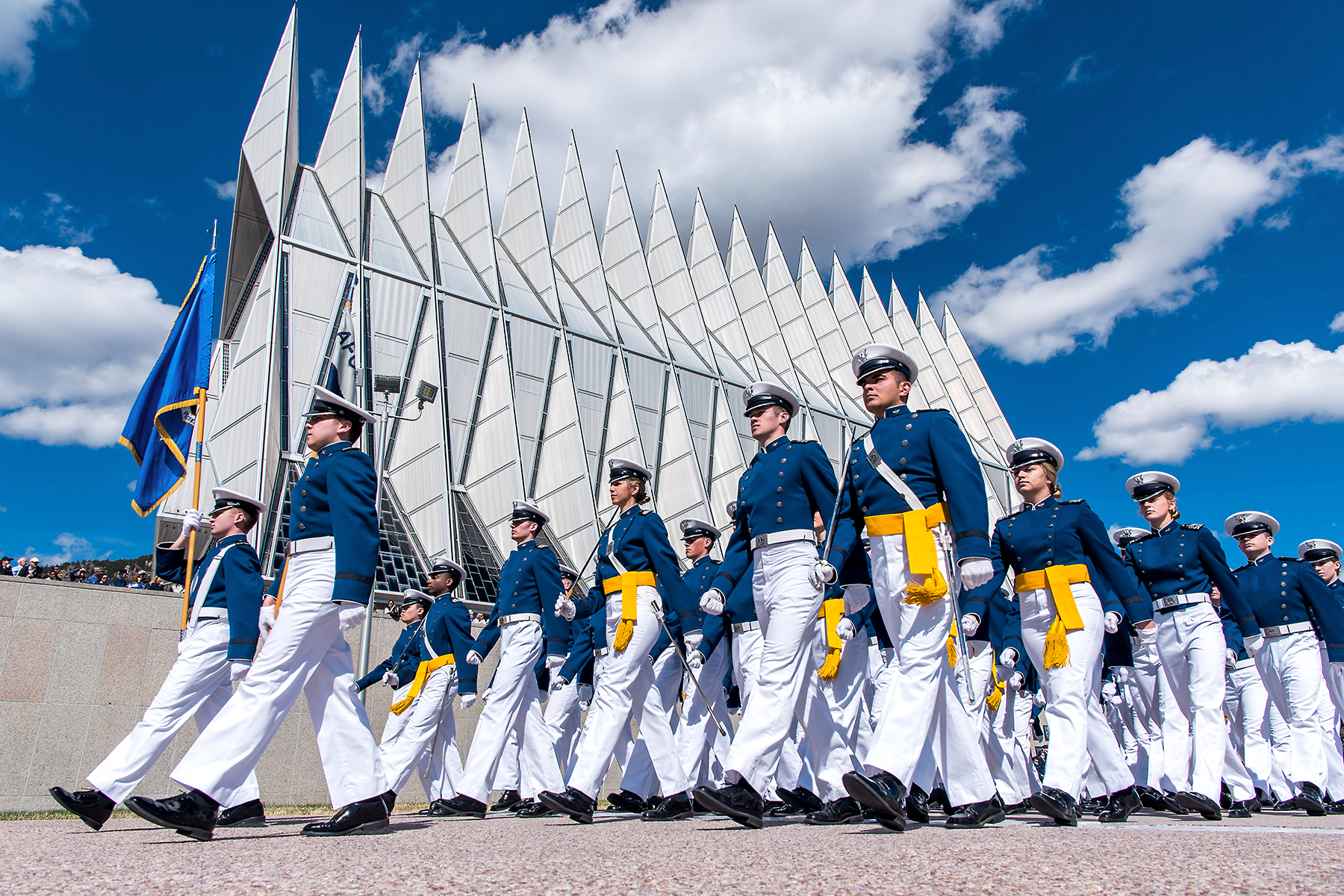
13. Air Force Academy, at Colorado Springs.


This is the chapel, which appears to be the signature architectural attraction at the Air Force Academy.

This list was made at a patriotic time--West Point and the Naval Academy also appear among the recommendations for their respective states--and its makers imagined their readership would be keen to see the training grounds for the nation's officer corps, or at least some of the good use to which their tax dollars were being put. While there is a little more involved in visiting all of these places than there used to be, this Academy is still billed as a major place to visit when in this part of the world, and its own website claims that the aforementioned chapel is the #1 manmade tourist attraction in the state of Colorado. I think it would be, could be, reasonably stimulating to drop by there. 


Wednesday, September 30, 2020

Arkansas

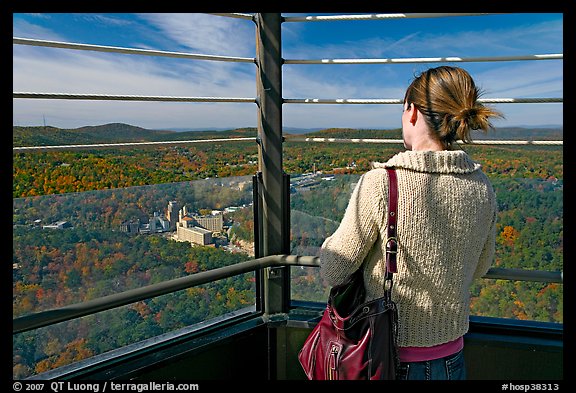
 1. Hot Springs National Park, in western Arkansas, on U.S. Route 70. "Healthful mineral and hot springs; beautiful parks, gardens and lakes; magnificent view of four states from tower on top of Hot Springs Mountain."


This is supposed to be a pretty cool park, and the nearby town sounds like it is more in the tradition of the Bar Harbor or Banff type resort town than what is common around the parks out west, which in many instances looks to be nothing. Numerous of the bathhouses have been designated as National Historic Landmarks, and there is a racetrack (horses), and many elegant old hotels.


2. Buffalo River State Park, in the north between Yellville and Marshall, on State Highway 14. "Overlooks Buffalo River from sheer rock cliffs; beautiful scenery with canyons, caves, and waterfalls; fishing is the chief attraction." 
 
Absorbed into the newly established Buffalo National River federal park in 1972. The 1939 CCC structures are preserved as a historic district within the much larger new park. The old park also includes the 3 mile Indian Rockhouse Trail. 


3. Calico Rock, on the White River, in the north, about 12 miles northwest of Melbourne, on State Highway 56. "A bluff of limestone rock, whose high, smooth wall is variously colored with squares, stripes, spots, and angles."


This rock is located in a town of about 1,500 people of the same name. There doesn't appear to be much of a tourist industry there, though they sort of have a promotional web page, and I am sure they would like people to come visit, as the median household income, according to Wikipedia, is $23,000. The top restaurant in town is a cafe/ice cream parlor, the pictures of the inside of which are however inviting in an old-fashioned way, and not off-putting even to a pretty confirmed northeasterner like myself. If I ever had all the time in the world to go driving around exploring Arkansas, I would go see this place.


4. Diamond Cave, in the northwest, 5 miles south of Jasper, on State Highway 7. "No one has ever reached the end of this cave. Strangely shaped stalactites and stalagmites, which look like giant icicles, grow in the many beautiful chambers of the cave."


From the Encyclopedia of Arkansas (linked above): "During the 1920s and 30s, the cave was very popular, having a campground, hotel, restaurant, outdoor pavilion, and skating rink at the site. It officially opened for tours in 1925, though ownership and management of the cave have been transferred many times. Hundreds of tourists each day went through it. One of the most beautiful caves in Arkansas, it has several rooms, mineral formations, and clear pools. At the height of its popularity, the tour was approximately two miles long, but the cave still has many unexplored regions. It has been a source of study for geologists and students from every state in the country...Diamond Cave was operated as a tourist attraction until the mid-1990s. The cave is at present privately owned and is not currently operating tours in order to protect this natural environment."

So I guess this place is out as far our travel itinerary goes, for the time being. 


5. Big Hurricane Cavern, in the northwest, 7 miles south of Western Grove, on U.S. Route 65. "So named because many years ago a violent storm hurled uprooted tress into the mouth of the cave; once noted for the bears and wildcats killed within its shelter; has fantastic formations, including an onyx parrot and a stone airplane." 


It appears that this place (which I am thinking is now known as Hurricane River Cave) has been closed since around 2016 and is currently for sale. The hope is that new ownership would restore it and re-open it to the public, as people have fond recollections of the place. Most of the sites listed for this state are in the popular tourist region known as the Ozarks. Evidently some of the older attractions there are in a state of flux. 


6. Mammoth Spring, in the north, about 11 miles north of Hardy, on U. S. Route 63. "One of the largest springs in North America; a torrent of cold, blue water rushes from it at the rate of 200 million gallons a day."


This is contained within a state park, which was established in 1957. The outlet pool is located just 500 feet from the Missouri state line. This is the seventh largest natural spring in the world! There are only two hotels in Mammoth Springs. They aren't expensive, and they look decent enough that I would stay in them--I don't have high expectations for rural Arkansas. I don't know that I could get my wife to come here, but I got her to go to Tennessee and Alabama, and I know she liked Tennessee, and she liked the place where we stayed in Alabama, in Cheaha State Park, though the surrounding area that we drove through on the way in and out was rather poor and depressing-looking. The state park here doesn't appear to offer any accommodations; these often have good value lodges and cabins. 


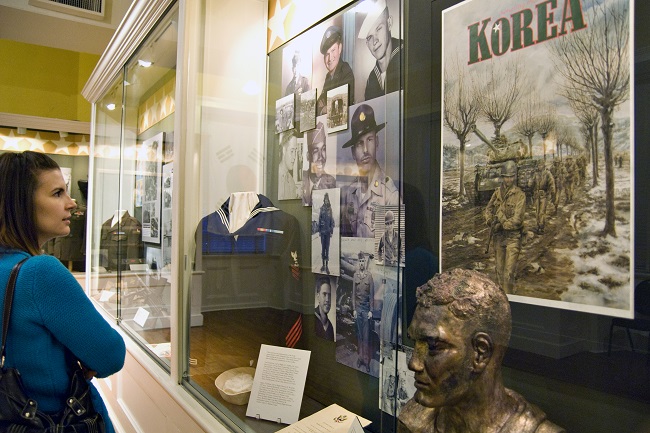
7. Old Arsenal, in Little Rock, on U.S. Highways 67-70-65. "The birthplace of Douglas MacArthur."


The building is now known as the MacArthur Museum of Arkansas Military History. Though the general was born here, this was not a house but a military barracks, MacArthur's father being an army man, a captain, himself. The Arsenal, which was built around 1840, is part of the MacArthur Park Historic District, "a remarkably well-preserved collection of Victorian buildings in the heart of Little Rock." The museum is free and appears to consist primarily of military memorabilia, and is not primarily dedicated to the singular figure of Douglas MacArthur, whose celebrity has I think faded somewhat compared to what it was in the 1950s and 60s.