This is the second Shakespeare play to come up on the IWE list, and the first tragedy. The alphabetical order is fine for this as I will be reading most of the plays that are on it for the second, third, fourth, etc, time. I have been on a bit of a Shakespeare binge lately--four plays in the last month for my "A" list plus this one and I am evidently overwhelmed as far as being able to pick out any especial insights or mildly interesting thoughts I had in reading it. I seemed to have had more to say directly in 2009. At that time I had not read any Shakespeare in several years, and I also think my mind was in one of those periodic windows in one's life where it is receptive to new impressions of old things. Also the rhythm of how I read now, especially for this IWE list, has seemingly been adjusted to consume the long novels which dominate it, so when plays come up, especially the super classics like Sophocles and Shakespeare, I want to spend some time with them, but my perception is not adjusting to the scale and density of the work. In truth, I am having difficulty in organizing and executing this essay. For one thing, though one of the purposes of this program of reading is to detach myself somewhat from the contemporary mental environment, it still seeps in, and of course I still crave a certain degree of intellectual camaraderie with the living, which I have never been able to obtain to my satisfaction. On this latest occasion I kept noting Shakespeare's attitudes with regard to what men should be like and what women should be like, which seemed to exist within a more or less traditional framework, though of course as with most of the better authors it recognized the existence of outliers, even if he largely maintained that the ideal even for these was ultimately to be constrained within a version of the traditional roles that was acceptable to them. Like a lot of people, the election, and the intense reactions and emotions it is provoking in people, are having effects on me. I was never attracted to Trump, but trying to persuade myself that Hillary Clinton is as wonderful as we are increasingly pressured to concede that she is only causes me to be unhappy and surly. The contempt and lack of respect for men that she projects and legions of her supporters openly revel in is not something I am able to embrace or celebrate. I told people, jokingly as I thought, that as long as Hillary Clinton demonstrated at any point in the campaign anything resembling respect for men who are not potentially large donors that she would have my vote. We are now two weeks from the election and I am still waiting. I am not going to vote for Trump, and I don't understand beyond the most primitive level why his supporters have put their hopes in him, but in my own life it is the increasingly aggressive and obnoxious progressives who loom as the greater problem, because I don't agree with their attitudes where men, particularly of the heterosexual, European descended variety are involved. I do not want a full restoration of 1950s gender roles and attitudes even if that were possible, but men do need to figure how to reassert themselves and play a strong and at least an equal part in life and regain some of the respect they have lost with women as well as among themselves, or I think we will continue to see very ugly politics centered around gender divisions and other various resentments. The current atmosphere is untenable.

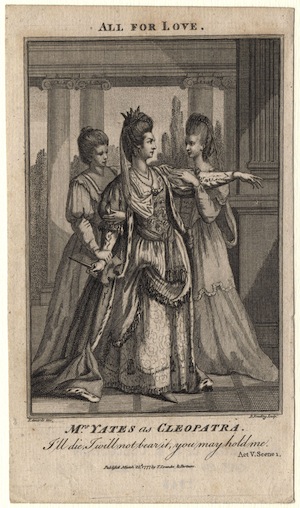
But what of Antony and Cleopatra? The political choice wasn't really that appealing in that conflict either, to one of a democratic mindset. It was probably for the best that Augustus Caesar prevailed. He was the more modern man, though symbolically at least, more associated in the mind with despotism and unassailable power, while Antony symbolically represented the last link to the Republic, and a less absolute state. But I guess you should read my older posts on this play, since I really have not come up with any new thoughts since the last time.
The Challenge
Once again the magic words invoke so blatantly the great characters of the play that nearly all of the contestants in the Challenge can claim a Roman theme:
1. Hail, Caesar (movie).................................................................1,055
2. Stacy Schiff--Cleopatra: A Life....................................................731
3. Bernard Cornwell--Death of Kings................................................513
4. Tom Holland--Rubicon: Last Years of the Roman Republic.........259
5. Suetonius--Lives of the Twelve Caesars........................................200
6. Julius Caesar (movie--1953).........................................................194
7. Clay Griffith--The Greyfriar (Vampire Empire #1).......................154
8. Anthony Everitt--Augustus: The Life of Rome's First Emperor....148
9. Barry Strauss--The Death of Caesar..............................................139
10. Colleen McCullough--The October Horse...................................129
11. Joanne DeMaio--Beach Blues........................................................80
12. Isaac Asimov--Asimov's Guide to Shakespeare.............................66
13. Joseph Max Lewis--The Diaries of Pontius Pilate........................66
14. Steven Saylor--The Triumph of Caesar.........................................62
15. Chris Scarre--Chronicle of the Roman Emperors..........................45
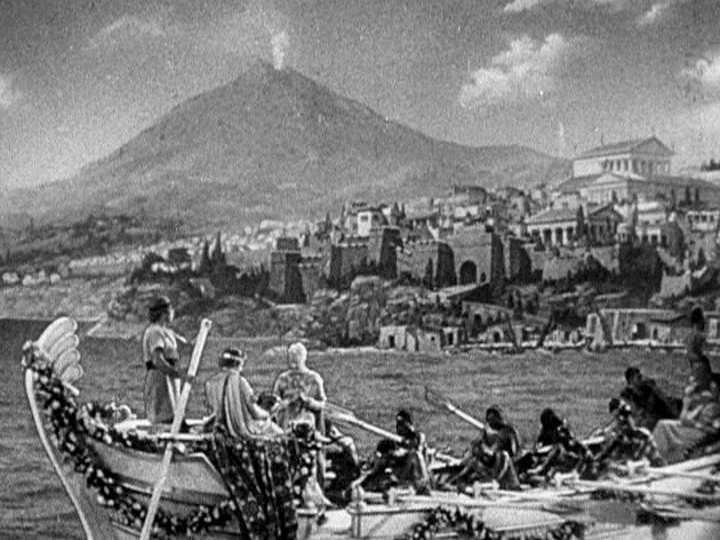
16. The Last Days of Pompeii (movie--1935)......................................40
Round of 16
#16 The Last Days of Pompeii over #1 Hail, Caesar
Hail, Caesar is probably a better movie, but the general custom of the Challenge favors older movies in head-to-head matchups.
#15 Scarre over #2 Schiff
Scarre is shorter by 77 pages.
#14 Saylor over #3 Cornwall
Two basically identical books, genre novels published 2 years apart, both available. Saylor is 9 pages shorter.
#4 Holland over #13 Lewis
History (I think) beats more genre work.
#12 Asimov over #5 Suetonius
Suetonius would have been the choice, especially as Asimov clocks in at over 800 pages, but Asimov has an upset coming in this tournament, and he gets it in the first round.
#11 Demaio over #6 Julius Caesar
#7 Griffith over #10 McCullough
Battle of genre novels. Griffith about 400 pages shorter.
#8 Everitt over #9 Strauss
I can't tell if the Strauss is a serious book or not. Otherwise, they look pretty similar. Strauss is slightly shorter, but Everitt too is entitled to an upset. Which he does not need to get by here however.
Round of 8
#4 Holland over #16 Last Days of Pompeii
#7 Griffith over #15 Scarre
Griffith also had an upset in reserve.
#8 Everitt over #14 Saylor
#12 Asimov over #11 Demaio
The Asimov is 843 pages but I can't have it lose to a literal beach novel.
Final Four
#4 Holland over #12 Asimov
#8 Everitt over #7 Griffith
Championship
#4 Holland over #8 Everitt
The Holland is about 30 pages longer but it looks like a more solid book. Plus Holland also has an upset in reserve, which cancels out Everitt's unused upset in an extremely tight title game.