Showing posts with label 1940s. Show all posts

Friday, March 19, 2021

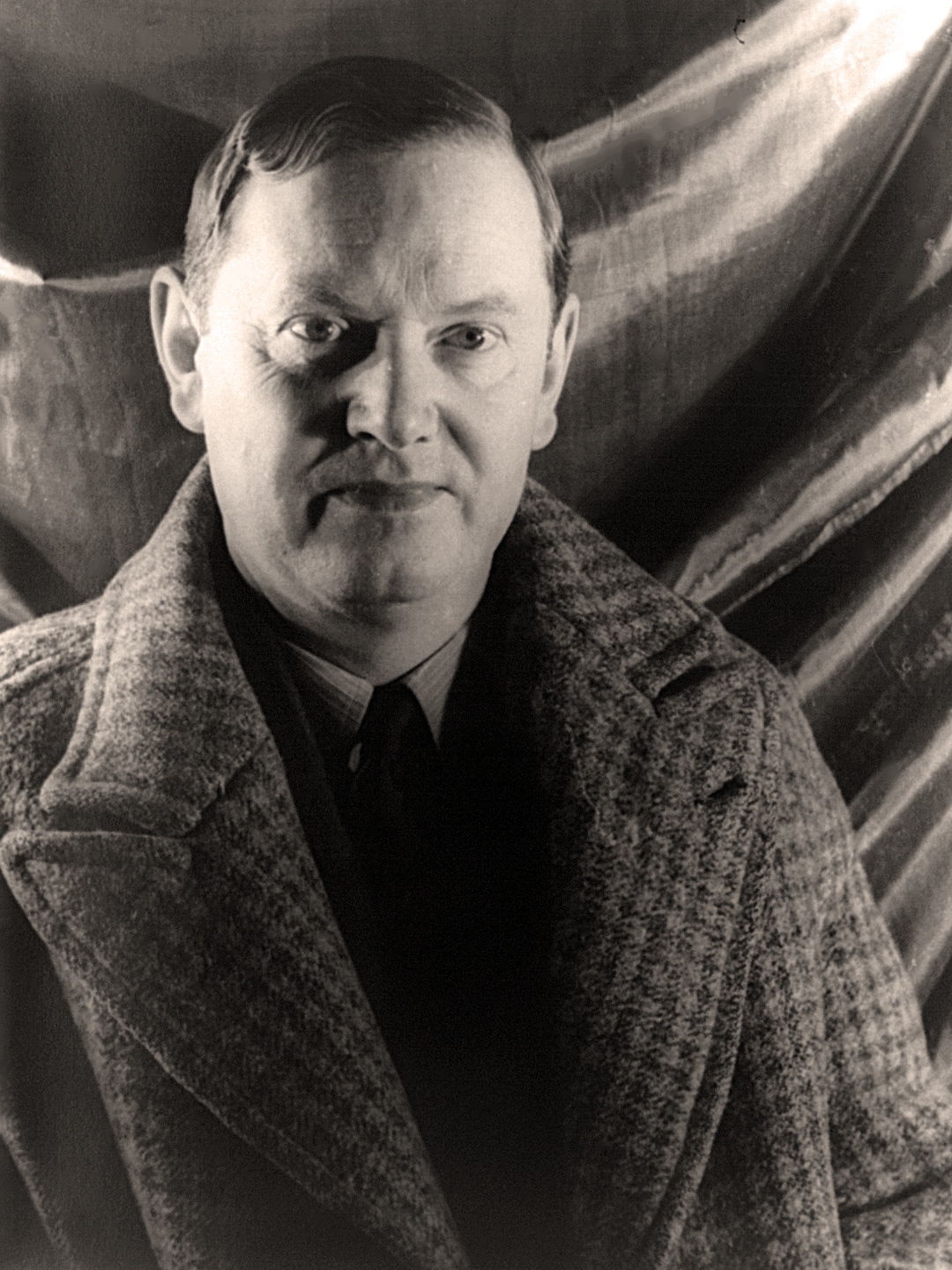
Evelyn Waugh--Brideshead Revisited (1945)


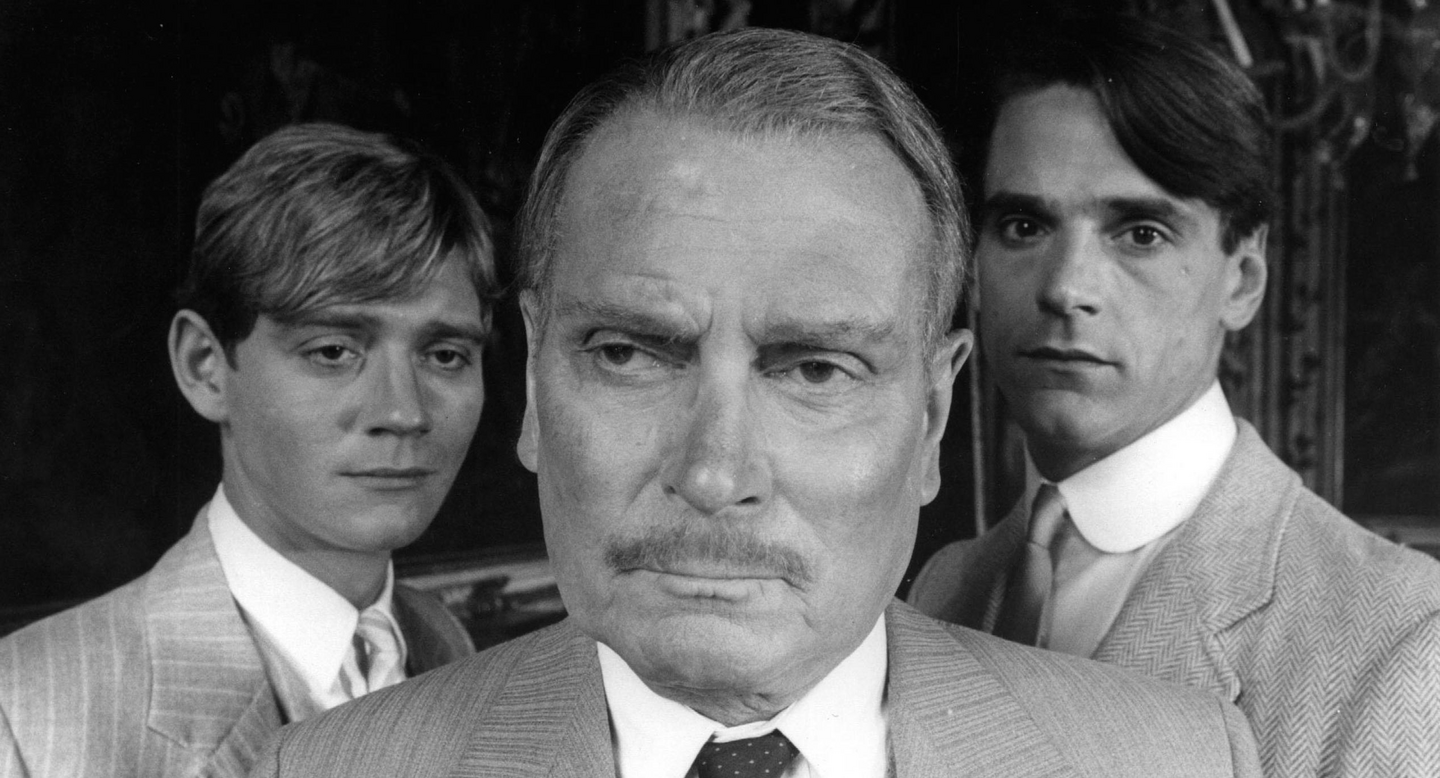
I read this back in 2010 and wrote a number of posts about it on my original blog which can be seen here. At that time I read a newer Everyman edition that used the text of the 1959 revision, in which supposedly a good deal had been altered. While I liked a lot about the book at that time, I had always felt something about it was a little off, considering its reputation and the obvious affection which many people had for it. I determined that the revision must have had something to do with this, and when I knew it was coming up on the IWE list I made a point of getting a copy of the earlier edition, shown above. I cannot say that I noticed any of the supposed differences, but I did feel better having an edition of the book as it first appeared to the public, or at least the American public, in the 1940s. Whatever it is, I am sure that I have it now as much as I am ever going to.

While I was reading this there was a small kerfuffle on the internet for a few days about the academic discipline of Classics with its traditional association as the study of Greek and Latin being essentially a white supremacist field, that it needed not merely to be opened up and equal space and esteem given to the works and languages of other ancient civilizations, but all of the ideas and the mystique that underlay it more or less needed to be blown to smithereens. I made a note in my that "If people the Classics are too white, I hope they don't find out about this. (JOKE)" Then I added, "I know it is the discipline in its current incarnation, not the books themselves, that is being objected to", but I have no idea what I was getting at here, it probably is the books themselves too. Still, the world of Brideshead Revisited represents something of an epitome of what that system of education produces, in the English speaking countries at least. Perhaps Waugh and his characters can (for some people) be described simply as "white supremacists" and left at that, though that designation, applied as it is so universally and on so many occasions, doesn't really begin to do justice to the sense of physical, cultural and intellectual superiority the characters at the inner core of this novel project towards pretty much the entirety of the rest of humanity. And this was so deep that even though their houses and wealth and much of their social position erode and are lost during the course of the book this sense of themselves can never really be crushed out of them--the drive to do which by the way is very strong in the current crusades against white supremacy, which I take to account for much of the anger directed against even fairly nondescript and inoffensive white people by those who in comparative terms would seem to be indisputably more accomplished and successful and recognized as such. It's the internalized feelings of worth people retain that can in any way be attributed to "whiteness"--and these are as prevalent among the educated and enlightened, if not more so, than among the humbler classes--that seemingly cannot be eradicated in the face of all argument and even evidence against them that seems to infuriate people so wildly.
p. 45 "'I like this bad set and I like getting drunk at luncheon'; that was enough then. Is more needed now?"

I'm really going to try to keep the quotes to a minimum--in this book there is something quoteworthy on almost every page--but this might be the last time I read this, so I want to leave a few favorites to remember it by.


p. 59 Very palpable evocation of a lost world here (Oxford on Sunday morning ca. 1923): "None but church-goers seemed abroad that morning; undergraduates and graduates and wives and tradespeople, walking with that unmistakable English church-going pace which eschewed equally both haste and idle sauntering; holding, bound in black lamb-skin and white celluloid, the liturgies of half a dozen conflicting sects; on their way to St. Barnabas, St. Columba, St. Aloysius, St. Mary's, Pusey House, Blackfriars and heaven knows where besides; to restored Norman and revived Gothic, to travesties of Venice and Athens; all in the summer sunshine going to the temples of their race."

p. 225 "...the epochs of history, when a race which for centuries has lived content, unknown, behind its own frontiers, digging, eating, sleeping, begetting, doing what was requisite for survival and nothing else, will, for a generation or two, stupefy the world; commit all manner of crimes, perhaps; follow the wildest chimeras, go down in the end in agony, but leave behind a record of new heights scaled and new rewards won for all mankind; the vision fades, the soul sickens, and the routine of survival starts again." Back to the classics--this take, I think, is what many (white) men at least have traditionally had in mind as what is meant by them much of the time.

p. 227 "Hence my prosperity, far beyond my merits; my work had nothing to recommend it except my growing technical skill, enthusiasm for my subject and independence of popular notions...I did not go to Europe; her treasures were too safe, swaddled in expert care, obscured by reverence (ed--this has only gotten worse since then). Europe could wait. There would be a time for Europe, I thought; all too soon the days would come when I should need a man at my side to put up my easel and carry my paints; when I could not venture more than an hour's journey from a good hotel; when I should need soft breezes and mellow sunshine all day long; then I would take my old eyes to Germany and Italy." 

p. 271-2 "You must remember I am not English; I cannot understand this keen zest to be well-bred. English snobbery is more macabre to me even than English morals...My dear, I could hardly keep still in my chair. I wanted to dash out of the house and leap in a taxi and say, 'Take me to Charles's unhealthy pictures.'" Lol. Anthony Blanche.

p. 299 "'To put it crudely,' said my cousin Jasper, as though he had ever in his life put anything otherwise..." 😄 

While I am very fond of this book--it strikes as very much the kind of book that many writers, perhaps especially those of the would-be variety, would most like to write--the snobbery and pointedness of the exclusivity of this sliver of literary history at least always gets to me a little in the end. It just permeates the book so much. The narrator never really likes anyone outside of his very narrow set (granted, he doesn't even seem to like his own wife and children very much either, so maybe a mere reader should not be so sensitive with regard to it). It can be amusing, but in the end why should the rest of us have to put up with it forever? I think I was overcome by a similar reaction towards the end the first time I read this as well.


p. 231 On New York: "...it was four o'clock, but neither of us was ready to sleep, for in that city there is neurosis in the air which the inhabitants mistake for energy." Mainly interesting because New York people themselves still emphasize "energy" as the defining characteristic of their city, and by extension presumably themselves, 75 years on. 

I didn't note it at the time and I cannot find it right now, but the line about Lady Marchmain's brothers who were killed in World War I--"these men must die to make a world for Hooper"--gets to everybody. And why should it? Because the type of the men who died had something, language, artistic sensibility, a sense of who they were, that we obviously don't. 

I forgot to look at what the IWE had to say about this. They're always good for a unique take, or sometimes a laugh, in these matters:

"Anyone who has known the younger upper classes of London after either World War can testify that Evelyn Waugh did not overpaint their wildness, their excesses, for they could hardly be overpainted. In fact, in Brideshead Revisited Waugh was quite moderate. As a novel it is great. When all the arguments about Waugh's other works are ended, Brideshead Revisited will remain to testify that the man could write. The ambivalence produced by Catholicism in Englishmen, a favorite theme of Waugh's is accented in this novel."

This is the only one of Waugh's books that was chosen for the list. He'll have to get into and win a Challenge at some point. I think he can do it.

I have not written very much about my own thoughts regarding the book. I think that for the kind of people who like novels, in particular old-fashioned ones, this gives them a great deal of the sort of things that make them happy--fashionable London in the 20s, old Oxford, exquisite dialogue, irrepressible humor, feelings of regret about the passing of time and the necessity of change, drinking, sociability among a desirable initiate. One cannot really help oneself in luxuriating in the experience and being a little wistful at its now being past.  


The Bourgeois Surrender Challenge
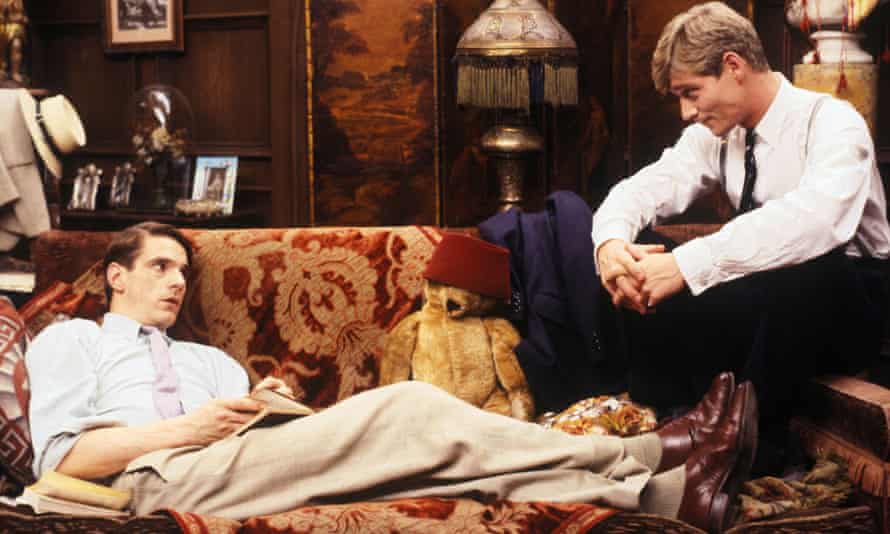
My newly tweaked system generated so many competitors that numerous Waugh-themed books were unable to qualify for the final. But I prefer this system overall.

1. Beverly Daniel Tatum--Why Are All the Black Kids Sitting Together in the Cafeteria?........5,539
2. Eric Metaxas--Bonhoeffer: Pastor, Martyr, Prophet, Spy.......................................................3,858
3. William Zinsser--On Writing Well..........................................................................................2,440
4. Sebastian Barry--Days Without End.......................................................................................1,337
5. Linda J. McDonald--How to Help Your Spouse Heal From Your Affair.................................1,038
6. Jane Smiley--Perestroika in Paris..........................................................................................1,004
7. Brideshead Revisited (TV--1981)..............................................................................................909
8. Alex S. Vitale--The End of Policing..........................................................................................553
9. Brideshead Revisited (movie--2008).........................................................................................499
10. Goold Brown--The Grammar of English Grammars..............................................................482
11. Kazuo Ishiguro--The Unconsoled............................................................................................341
12. Janet Burroway--Writing Fiction.............................................................................................287
13. The Riot Club (movie--2014)...................................................................................................255
14. Keeanga-Yamahtta Taylor--Race for Profit.............................................................................210
15. Eleanor Herman--Mistress of the Vatican................................................................................205
16. Judith Rich Harris--The Nurture Assumption..........................................................................165

Round of 16

#16 Harris over #1 Tatum

A matchup of superficially similar books, both social science-y, both from the late 90s, similar in length, both written by women, I suppose you could add. I gave the Harris book the nod in the end dues to its having been a finalist for the Pulitzer Prize, as well as (probably), being a subject of slightly more interest to me.

#2 Metaxas over #15 Herman

The popularity of the Bonhoeffer biography makes me mildly suspicious of it, but the Herman book, also a biography (by the author of Sex With Kings, among other best-sellers), brings with it somewhat similar objections from one of the opposite corners of the Catholic moral universe, which is enough to carry Bonhoeffer/Metaxas to the victory here. Interesting that the tournament opens with a pair of matchups between books that are mirrors of each other in certain senses.


#14 Taylor over #3 Zinsser

I think I have read the Zinsser book before, though not as a victor in this contest. I don't remember the occasion for my doing that. While I like occasionally reading "How-to-Write-Like-a-Professional" type books, especially the classic ones///(picking up after 10 day interruption) I was evidently really not in the mood to do so on March 2nd, I don't remember why. In any case they probably at this point in my career should not win in most instances if there is any other acceptable option.

#4 Barry over #13 Riot Club
#12 Burroway over #5 McDonald

McDonald does not present a particularly desirable alternative here.

#11 Ishiguro over #6 Smiley

Ishiguro wins a battle of big names. 

#10 Brown over #7 Brideshead Revisited TV
#8 Vitale over #9 Brideshead Revisited movie

Elite 8

#16 Harris over #2 Metaxas

Harris is quite a bit shorter. I already had misgivings about the other book just because its number of reviews seems awfully inflated for its subject matter.
  
#4 Barry over #14 Taylor

Barry is 100 pages shorter while his historical novels seem to be well-received by some semi-intelligent sector of the literary world.

#8 Vitale over #12 Burroway

I'm not all that into either of these books. The End of Policing is shorter, as well as topical, though that carries no great sway with me.

#10 Brown over #11 Ishiguro

Yes, Brown has an upset. 

Final Four

#4 Barry over #16 Harris

Length again, as these books are about even in attractiveness to me.

#10 Brown over #8 Vitale

Brown gets another upset, though I am not heartbroken to see Vitale eliminated.


Championship

#4 Barry over #10 Brown

I don't have time in my life right now to read an exhaustive 170 year old book on English grammar. Maybe someday. 

Thursday, May 2, 2019

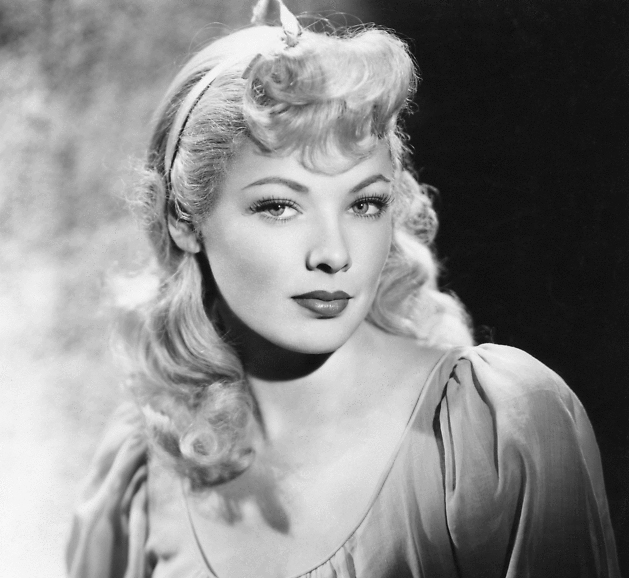
John Hersey--A Bell For Adano (1944)

I finished this a couple of weeks ago and then went on vacation before I could get to the article, so the book is not as perfectly fresh in my mind as I might like it to be. That is unfortunate in that this is exactly the sort of book that I took up this particular list for a few years back to be able to read occasionally, and it did not disappoint. The Pulitzer Prize novel of 1945, it is a small, but poignant story about a fishing village in Sicily under the occupation of the American army that was written and published in real time within a few months of the U.S. invasion of the country. While it is true that it depicts the American war effort as the public of the time liked to think of it, a rough-edged but on the whole benevolent force for good, it is not as if there was no truth in that image. It is a luxury that we have now that (most) people did not have at the time to analyze the myriad shortcomings of World War II-era American behaviors. In my admittedly limited experience of Europeans, I found that the age cohorts that had overall the most positive views of Americans were overwhelmingly those that were children and adolescents during the last years of the Second World War and the decade or so following it. One man I knew in the Czech Republic who claimed to have been in Plzen when the U.S. Army entered that city, at which time he would have been around eight years old, said that the Americans were the first happy people he had ever seen. My personal sense is that the writers of that generation tended to give pretty honest accounts of how they perceived the wartime experience to be, and anyone who has read these books knows that they are not as a rule particularly rosy, or gushingly deferential to the military and its leadership, even those (such as this one) which were published while the war was still in progress. And let us not imagine that in our contemporary writings we are not presenting a picture of ourselves and our cleverness and skepticism and fierceness that is any less wishful in its thinking or will be less ridiculous to future generations than the failings, such as they are (though I am obviously partial to the genre), of the literature of World War II.


John Hersey was the son of Protestant missionaries and spent the first ten years of his life in China, though I am guessing his family were well off and of good lineage, since he attended Hotchkiss, Yale, and Cambridge in the teeth of the Depression. He was still publishing articles in the New Yorker when I was in high school in the 80s (he lived until 1993), part of that WASPy segment of cultured society whose presence has declined noticeably even since my early life. He was never, I think, and certainly by the time I was around, considered one of the major authors of his generation, but A Bell For Adano is a worthy book, and a good representative of the brisk, cautiously optimistic style that is one of the appeals of the writing of this period. The IWE introduction is, given the inclusion of the book on the list, one of its more inscrutable ones. "A sentimentalist with a hardboiled style," it begins, "John Hersey wrote a real tearjerker in A Bell for Adano...The hero is an overidealized second-generation American; the villain...is based on the swashbuckling George Patton, who alternated between public disfavor (as when he slapped a soldier from Brooklyn) and favor...At the time Hersey wrote Adano Patton was in disfavor and Hersey may have overpainted him just a bit. Hersey's later novel The Wall"--which did not make the IWE list however--"must be ranked ahead of this one." For all this they do like it, I am quite sure.
Now for my extraneous notes...


On page 57 there is a reference to the Fascist song Giovinezza. Not to give anyone the idea that I was a weirdo as a kid or anything, but in my youth my family had an LP record of the American Heritage history of World War II (we had one for World War I also) which featured snippets of speeches, battle sounds, popular songs of the period, and so forth. I listened to these records quite a lot. In the "build-up to World War II" section of that record we were taken briefly to Mussolini's Italy where "Young Fascists...whipping up the crowds into a frenzy..." and then it began:


p. 77 The Americans' economic policy upon letting the local fisherman go out in their boats once the war situation has settled somewhat:


"It is true that your profit will be limited to fifteen per cent of what you take in. The rest you must spend in wages to your fishermen and upkeep on your boats."


Still, aren't there many businesses, albeit much higher volume ones, that operate at much lower margins than 15%.


Much of the charm of the book consists, 75 years later, in the knowledge that many of the old ways and life of the village depicted in it that have endured for centuries are within a few years about to change dramatically or go away forever. Despite the charges that are sometimes made against Hersey for being patronizing towards the Italians, the characterization of the villagers is not terribly different from what the neo-realistic Italian directors and even Fellini himself would do a few years later. The villagers were very poor people, barely literate, some of them extremely simple-minded. One guy has to brush goat droppings off his bed before he goes to sleep every night. Meanwhile Hersey was a Yale and Cambridge educated New Yorker writer. I won't claim that he did a perfect job of capturing the complexity of the Italians as individuals but the life of the village as a whole I thought was one of the stronger parts of the book.


p.90 "...this kind of situation was meat for Sergeant Borth, who thought the whole war was a joke."


You get these kinds of people when you have a conscript army, even in World War II. I haven't read about anybody who thought the Iraq/Afghanistan war was a joke, or would have been allowed to.


p. 105 Corporal Schultz was not a gold mine of conversation, and pretty soon the two fell silent."


This is unfortunately is how most desirable people would be able to describe me. I wonder if Hersey was a good talker? I can't find any interviews with him on YouTube or elsewhere.


p.115 "The two men now had, besides their mere community of tongue, another thing to draw them together: they both knew the same girls. In a foreign land, that is enough to make Damon and Pythias out of two sworn enemies."


p.147 The deposed Fascist mayor, trying to stir up dissent, for which he would however be arrested.


"The Americans may be friendly, but they are not good fighters...He says that the Americans are timid in battle. he says that our own troops could even beat the Americans...He says that at the place called El Guettar the Americans did not press their attack, he says that they behaved like frightened men and were defeated. The British can fight, perhaps, but not the Americans."


We can't have that kind of talk going on. And I like that "perhaps" with regard to the fighting ability of the British.


p. 172 Typical American serviceman's opinion of the town:


"Boring? Say, if they ever give this old world an enema, this is where they'll put the tube in."


p. 174 "The Colonel named Ham, who was expert at saying Yes to his superiors and No to his inferiors..."


I'll emphasize again that the portrait of this society in snippets and in miniature is nice for what it is.


There was an incident near the end that is revealing of a significant change in public attitude, at least, in our time from this one, and which was rather jarring. Every afternoon in Adano trucks and other American military vehicles would drive through the center of town throwing candies to the children. This inevitably drew a crowd, which eventually prompted a gang of older boys to organize in order to procure more of the candies. This caused a mild panic among the other children, which resulted in one boy getting pushed in front of an oncoming truck and being killed. The American commanding officer, while portrayed as responding humanely to the event by wartime standards, did not hesitate to chastise a group of the children by explaining that the boy had been killed because he was selfish. This struck me even as surprisingly harsh and I suspect most contemporary people of my general socio-economic milieu would find it horrifying. Men especially were not so squeamish about making judgments on children and telling them where they had failed in direct terms even in what we would consider sensitive circumstances, I guess.


I am a little sorry to be leaving this book behind. It belongs to one of the literary and social eras that I particularly like.


The Challenge


This Challenge initially was turning up a bunch of junk but in the end it actually produced a few attractive competitors. Unfortunately only 15 of the entries managed to scrounge up at least one review on Amazon, so the many pretenders coming in with "0" finished in a big tie for 16th place and necessitated the expansion of the tournament.


1. Kurt Vonnegut--Cat's Cradle...……………………………………………...1,192
2. John Hersey--Hiroshima...…………………………………………………….507
3. Peter Zeihan--The Accidental Superpower  …………………………………..451
4. Catherine Gray--The Unexpected Joy of Being Sober...………………………..48
5. Fred David--Strategic Management...………………………………………….45
6. Islamic Art & Architecture 650-1250 (Yale)…………………………………….7
7. A Bell For Adano (1945 Movie)…………………………………………………7
8. H. G Wells--The New Machiavelli...…………………………………………….6
9. Rabbi Marvin S. Antelman--To Eliminate the Opiate, Vol. 1...…………………5
10. Uwe Johnson--Anniversaries: From a Year in the Life of Gesine Cresspahl….3
11. Arnal/Stryker--Bordered Lives: Transgender Portraits From Mexico...………2
12. Horatio Alger, Jr.--Mark Manning's Mission...………………………………...2
13. Carolyn J. Sharp--Irony & Meaning in the Hebrew Bible...…………………....1
14. Horatio Alger, Jr.--Tom Thatcher's Fortune...………………………………….1
15. Elizabeth Robins Pennell--Our House & London Out of Our Windows...……..1
16. Richard Dehan--That Which Hath Wings...……………………………………..0
17. Jacques Roujan--Battles & Bivouacs: A French Soldier's Notebook...…………0
18. Gosling/Villiers--Fictional Leaders...…………………………………………..0
19. A Point of Pride: The University of Portland Story...…………………………..0
20. Lynda Adamson--Thematic Guide to the American Novel...…………………...0
21. John Rentoul--Questions to Which the Answer is "No!"...……………………...0
22. A Bell For Adano (1967 TV Movie)…………………………………………….0
23. "Send in the Crane" (Cheers TV Show, Season 7, Episode 9)…………………..0


1st Round


#10 Johnson over #23 "Send in the Crane"
#11 Arnal/Stryker over #22 A Bell for Adano '67


This 1967 TV version doesn't seem to be available anywhere.


#12 Alger over #21 Rentoul


A seeding victory. Credit for the title on the Rentoul though.


#20 Adamson over #13 Sharp


In a clash of academic books, Adamson wins because her book can be found at the New Hampshire Technical Institute and the Pinkerton Academy, while no one in the state found Sharp's book worth acquiring.


#14 Alger over #19 Portland University
#15 Pennell over #18 Gosling/Villiers


Pennell once wrote an introduction to Washington Irving's The Alhambra, a book I have praised on this site.


#16 Dehan over #17 Roujan


These are both ancient books that have been out of print for close to 100 years. I am guessing Dehan is the more readable story.


Sweet 16


#1 Vonnegut over #20 Adamson
#2 Hersey over #16 Dehan
#3 Zeihan over #15 Pennell
#4 Gray over #14 Alger
#12 Alger over #5 David


I don't want to read a textbook on strategic management even if it has a 45-2 edge in reviews.


#6 Islamic Art over #11 Bordered Lives


Surprisingly, no one has moved to acquire the Bordered Lives book for their collection yet.


#10 Johnson over #7 A Bell For Adano '45


I would like to see this movie, which is from my favorite Hollywood year, is generally considered to be pretty good, was directed by Henry King, who had a distinguished career (the silent Stella Dallas, The Gunfighter, Margie, Carousel) and stars Gene Tierney, which indicates that the wartime romance angle is emphasized more in the film than it was in the book. However it appears to be largely unavailable. The only DVD copies I can find for sale are from Australia, cost $27, and are incompatible with US machines, and it doesn't seem to be streaming on any service that I have. In my late 30s and early 40s when I went through a phase where I was more passionate about tracking down classic films I would resort to buying old VHS tapes, and I still have a VCR that works, though I haven't done this for a few years now. But there don't seem to be any VHS tapes of this movie available either, if that is even still a thing you can do anymore.


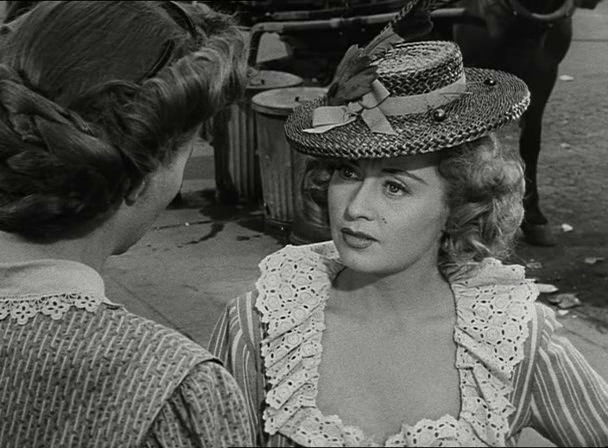
This is about all of the 1945 movie I can find anywhere. It was shown on TCM in August 2014, but there do not appear to be any plans to rescreen it at present.


#8 Wells over #9 Antelman


Wells exercises his privilege as an IWE author.


Elite 8


#1 Vonnegut over #12 Alger


Neither of these Alger books was available in any of my qualifying libraries, though numerous of them carried a copy of Ragged Dick, which must be considered Alger's masterpiece.


#2 Hersey over #10 Johnson


Hersey also has IWE author privilege, which I have designated as carrying through to the Final Four except in the event of an upset. This Anniversaries book was published in a multi-volume box set as part of the New York Review of Books series and looks very serious. Hiroshima was famously originally published as an entire issue of the New Yorker in 1945, and while I've never read it, I used to have the paperback copy of it going way back to my teenage years, and perhaps I still do.


#3 Zeihan over #8 Wells


And here we are. Zeihan does have an upset, and therefore is able to knock Wells out of the tournament before he gets to the Final Four.


#6 Islamic Art over #4 Gray


The library community evidently has no interest in the joys of being sober. None of them have bothered to get the book. All of which sets up a pretty good Final Four.


The Final Four


#1 Vonnegut over #6 Islamic Art


The Vonnegut is the sort of short, breezy but still intelligent book that the Challenge was created for, to enable me to keep up somewhat with more modern literature without having to sacrifice too much time from the classics.


#2 Hersey over #3 Zeihan


Honestly, so is the Hersey. The two were on a collision course for the final and here they are.


Championship


#1 Vonnegut over #2 Hersey


I have devised a lot of formulas and possibilities for luck to decide these tournaments, so that I don't have to break down every matchup. However these books were practically identical as far as status, length, age of the authors, nationality. Also I had not read either of them previously. In the end I gave Vonnegut a victory in double overtime because I have just read Hersey and I haven't read anything by Vonnegut since I was in my 20s and who knows, given my systems, when the opportunity would arise again. And he was also the #1 seed.
A Bell for Adano is a missive from a black and white world, but we need some color on this post.


Saturday, December 17, 2016

Sholem Asch--The Apostle (1943)


The Jewish authors who made the pre-1960 IWE reading list are in many instances not those who would seem obvious today. There is no Bellow, no Mailer, no Malamud, no Singer (Roth was obviously too young to have his early works considered), no Kafka, no Dorothy Parker, no Salinger even. Marx and Freud did make it, as did Proust. Kafka's Prague contemporary Franz Werfel, like Asch famous for novels about Biblical and Christian themes (a genre that is itself well-represented on this list) made it, as did Herman Wouk and some of the American playwrights of the 30s such as Kaufman and Hart. Anne Frank is on as well. I suspect that a few of the other late 19th and early 20th century French, German, Austrian or Russian authors on the list who are not as well known today might turn out to be Jewish, but I have not done the research on all of these yet. What immediately strikes one about those included on the list is that they tend more towards the sober and scholarly end of the distribution, whereas the more comic and bombastic/fantastical authors are held in higher regard today. It is a very old WASPy, and more specifically old Yankee list for sure, which however, despite its shortcomings and oddities, such as its fondness for doorstop historical fiction about early American history, I think is a good one. Old Yankees, though they continue to loom somewhat sinisterly in the national imagination, are getting ever harder to find in actual life even on their native ground, and their presence in and influence on American literary culture withers more and more every year. When I was younger I used to frequent numerous antiquated libraries in New England which partook of this old time atmosphere, even the books on the shelves in many instances not having been replenished in decades. These reminiscences date back 30 years now however, and even most of these places have been remodeled and brightened up and made more accommodating to technology, many of the books which formerly furnished the rooms on shelves reaching from floor to ceiling having evidently been discarded or relegated to the off-limits storage area in the basement. But I am getting far off of the subject of The Apostle now.

Sholem Asch was born in 1880 in Kutno, Poland, which was at that time part of the Russian Empire. He lived in Warsaw for a few years as a young man and got married there, then went abroad, eventually making his way in 1910 to the United States, where he remained for the duration of the first World War and beyond, becoming a citizen in 1920. He went back to the newly independent Poland after the war, and then lived in France for a while. returning to the United States in 1938. He seems to have stayed in the U.S. until some time in the 50s, after which he spent two years in Israel, where his house is preserved as a museum, towards the end of his life. He died in London in 1957. I note all of this because the biographies of people impacted by tumultuous historical upheavals are of interest to me. He wrote in Yiddish and was a prolific author no matter where he happened to be living, writing in the neighborhood of thirty books, the majority of which look to be weighty in length, tone, and subject matter. The Apostle, which depicts the life of St Paul, is actually the middle volume of a trilogy of novels about the lives of major early Christian figures, the other two being The Nazarene, about Christ himself, and Mary. The Apostle however is the only one of these, or any other of Asch's books to make the IWE list.


I liked this quite a bit, even if it is perhaps a little overlong. It is distinguished by an earnest seriousness that seems strange to us ("us" referring to that imaginary segment of the contemporary intellectual world that is super smart and well-informed whose sensibilities are remarkably in "sync" with mine) because earnest has become to my thinking something of a derogatory word that implies futility and a certain limitiation of ability when applied to intellectual pursuits. He was thoroughly Jewish, and led a thoroughly Jewish life, socially, culturally, and so on, so I doubt it would have been possible for him to adopt any of the more drastic Christian beliefs under any circumstances, but he was able to grasp the possibility of others' doing so. To be sure there is much more emphasis on Paul's Jewishness, and the Jewish origins of the entire Christian movement, than is usually found in Christian origin literature. There is always a fashion, maybe more prominent nowadays than ever, to be skeptical that the stories and major figures of the New Testament, including Peter, Paul, and Christ himself, have any basis in reality whatever, in some instances to the point of arguing that every aspect of them is entirely fictitious. What Asch believed as far as this goes I suppose I don't know, but he treated the stories and ideas of the gospels and epistles, whoever wrote them and who and whatever they are supposed to be referring to, very seriously, which is an approach most modern Christian debunkers don't see themselves as having to do. He knows that the power of the story is important in any case.


As with other long books I have had for this list recently, I neglected to take any notes until I was about 300 pages in, when I thought I had better jot some things down for the report. And as usual, once I began I ended up with quite a lot.

What prompted me to begin writing notes was a debate between Paul and his faction of Messianists and an opposing one led by some older school Jews regarding the necessity or not of circumcision for initiation into the new covenant ("circumcision a big deal" reads my note).

"He who cannot summon up enough courage to submit to circumcision for the sake of the God of Israel, is not worthy of admission into the congregation of the Messiah. He is a coward who cannot fight the battle of the Lord. For the Messiah is the battle of the Lord. And only those shall be admitted to the ranks who have the strength to give their blood to the covenant: even as it is written: `And in thy blood shalt thou live!'"--p.336

I took a moment to note the general awesomeness of the Jews across history, though perhaps there is some playing up in this author of their centrality and dynamism in the life of the Roman Empire.


The more the book went on and Paul began his travels throughout the Empire, Asch began to emphasize the myriad abusing and tormenting of human beings that underlay its entire operation. The first instance that pushed me to feel the necessity of making some record of my impression was the section on the bronze-working slaves of Corinth who passed away their entire lives in caverns feeding the smelting ovens and never seeing the light of day. I can't quote the whole section, but I will lift some especially pertinent sentences: "The life of these cave-workers was a short one." Regarding the mixers, whose work required a higher degree of skill which afforded them somewhat better treatment than the oven slaves: "Their beds were comfortable, but they were chained to them. For them as for the others, the cavern was a living tomb." "Most of the children taken into this work were such as had some physical defect, or some sickness, for which reason they could not be sold as house servants or prostitutes. These unfortunate discards of humanity were the dregs of the slave markets...When night came their bodies collapsed about the blocks and stalls at which they had worked all day. In the morning the overseers woke them with the lash..." (pps. 429-431) And on and on. I remarked at the time that this part was good, but Asch was just getting started with the depiction of atrocities. They seemingly kept getting worse with each change of scene.

After that I didn't make any more notes until page 654, at which time Asch dropped Sabina Poppea, the ultra-cultured wife of the manchild emperor Nero and diva superbabe of her generation, on my head. "Sabina had dreams of becoming the `Helen of Rome', with a temple of her own, in which worshipers would offer sacrifice after her death." She kept five hundred asses which accompanied her on all of her travels, as she maintained her glorious complexion by bathing regularly in their milk. On being introduced to the concept of resurrection, "Poppea was deeply interested; the possibility that she could arrange to be resurrected in all the beauty and charm which she alone possessed was something to be looked into."--p.656. However, "Any hint that worship of the Jewish God was bound up with duties, penalties, obligations, self-denials, discipline of any sort, she rejected. This was not in her style."--p.657. She capriciously punishes one of her attendants by pinching her breast with a pair of tweezers as hard as she can until the slave collapses.

     
The catalog of atrocities indulged in by the Romans never fails to fascinate. There is a section devoted to the epidemic of dumping bastards and other unwanted babies alive into the Cloaca Maxima, which is depicted here as a stream into which all of the sewage and other refuse of the capital was dumped and sent on its way out to see, Then there was one of Nero's parties, which took place on barges in a lake full of alligators:

"...in any case he (Nero) would enjoy the spectacle of the terrified slaves who, from their small boats, had to bring the dishes to the barges. The reptiles, their appetites awakened by the odor of food, swam after the boats and set them rocking. The girl dancers who had to perform on narrow ledges running round the barges were pale with terror; and the guests, reclining on couches at their tables, laughed drunkenly at the antics of slaves and dancers. The laughter rose into a shout of excited merriment when an unhappy youth or girl, unable to endure the test, fell with a scream into the water. A huge pair of reptilian jaws closed on the white body, and the water was stained red."--p.680

There is no reason not to believe I guess that the Romans really enjoyed watching people get eaten by alligators. Middle American types have always hard time understanding this as a major strain in the human character that their society has largely been able to suppress, at least in this kind of raw form. 

PP 700-701 brings the graphic torture of the character Antonius. It occurred to me rather belatedly, that he must have been supposed to be St Anthony, though I cannot find a St Anthony whose dates and mode of life corresponds with this guy's. Nonetheless, several of the minor characters sneaked up on me as being major biblical personages, Lukas, Marcus, etc, which I did not pick up on until they began to do fairly obvious things that signified who they were. Oh yes, about that torture:


"The bones of his hands and arms and legs had been cracked one by one between the claws of iron pincers. The skin had been torn, strip by strip, from his quivering flesh. One by one the nails of his fingers had been pulled out by the roots. His flayed feet had been held over a slow fire. He lost his human aspect and was reduced to a bundle of raw, blistered flesh."

It is remarkable what these early Christians had (and were willing) to suffer to be near God while Jimmy Swaggert and his ilk (or me, though officially I claim not to really believe in any kind of divinity or afterlife) don't have to suffer anything. It is true, Paul and his early followers were often buoyed by visions of and meetings with Jesus himself. Of course Jimmy Swaggert probably claims that he has talked to Jesus too, so it's really a puzzle why American Christians get to have the easiest of earthly passages.

After Nero had most of Rome burnt down, he famously (assuming the story has not been debunked) and absurdly pinned the blame on the Jews and their Christian adjuncts and held a giant entertainment in which members of these unfortunate groups were to be killed en masse for the delight of the Roman crowds. The show was boring, however: "...the Christians did not fight (in the gladiatorial arena); they only prayed and let themselves be eaten...here and there even the dulled, brutish heart of the Romans were touched by the spectacle of so many women and children fed to the wild beasts." 

Last note, on the conditions at the Tullianum prison, the last destination of saints Peter and Paul prior to their respective executions: 

"They were not starved to death so much as eaten to death. Food of some kind was given them, but they in turn, while still alive, were eaten by monstrous rats and crawling things which bred in countless numbers in the foulness of the cells and corridors. The prisoners were chained, either to rings in the walls or to great, immovable blocks of wood. The floors of the prison were littered with human offal, with moldering bodies and bones gnawed clean, and the poisonous air ate into the lungs and skin. A thick ooze dripped from the walls..." I think you get the picture. At the time I guess I thought this was the worst of all the executions and tortures, but probably the endless parade of them over the last half of the book had softened me up, and when they brought the rats in, I was finished, you know.


The Bourgeois Surrender Challenge

The major words used to produce this Challenge were obviously heavily Rome or Jewish-specific, which could have produced great results, but in this case produced a list of contestants I have no interest in reading. However, I have to try one of them, so I am going to go straight with the shortest of these that I can check out of the library  

1. Acharya S--The Christ Conspiracy: The Greatest Story Ever Sold......................373
2. Peter Heather--The Fall of the Roman Empire......................................................167
3. Elaine Pagels--The Origin of Satan.......................................................................166
4. John MacArthur--One Perfect Life........................................................................148
5. John L Allen, Jr--The Global War on Christians..................................................101
6. Dietrich Bonhoffer--Letters and Papers From Prison............................................85
7. Simon Schama--Landscape and Memory................................................................42
8. Saul: The Journey to Damascus (movie).................................................................33
9. Mark A Gabriel--Journey Into the Mind of an Islamic Terrorist............................19
10. James Wasserman--The Temple of Solomon.........................................................12
11. Copan and Litwak--The Gospel in the Marketplace of Ideas................................12
12. The Real Jesus: A Defense of the Historicity and Divinity of Christ (movie).......11
13. Makers of Ancient Strategy (ed. Hanson)..............................................................11
14. Robert Silverberg--Needle in a Timestack.............................................................10
15. Stuart Munro-Hay--The Quest for the Ark of the Covenant....................................5
16. Mark Gibbs--The Virgin and the Priest...................................................................4

Round of 16

#1 S over #16 Gibbs
#15 Munro-Hay over #2 Heather
#3 Pagels over #14 Silverberg
#4 MacArthur over #13 Makers, etc
#5 Allen over #12 The Real Jesus
#6 Bonhoffer over #11 Copan and Litwak
#10 Wasserman over #7 Schama
#9 Gabriel over #8 Saul....

Elite 8

#15 Munro-Hay over #1 S
#3 Pagels over #10 Wasserman
#4 MacArthur over #9 Gabriel
#5 Allen over #6 Bonhoffer

Final Four

#3 Pagels over #15 Munro-Hay
#4 MacArthur over #5 Allen

Championship

#3 Pagels over #4 MacArthur


Nothing much to be said about these. Pagel's book is 214 pages. She is a professor at Princeton, so the odds that she is a total crackpot are reduced somewhat, I suppose.

Wednesday, April 13, 2016

Margaret Landon--Anna and the King of Siam (1944)

Probably best known today as the source material for the famous musical The King and I, Anna and the King of Siam would I suppose belong to the genre of historical fiction, as Anna Leonowens was an actual person who was employed at the court of the King of Siam in the 1860s, and the novel was largely based on her memoirs of that experience. The book was surprising to me, in a positive sense, in a number of ways. Though I had always seen it on the list and knew it was coming I had not paid close attention to it. It was published much later, for example, than I imagined it was. While I knew it was set roughly around the time that it is, I had thought the publication dated from the late Victorian era to 1910 or so at the latest. This is probably on account of the musical; I tend not to think of musicals in general as based on particularly fresh material. though most of the Rogers and Hammerstein shows were actually based on sources, or events, that were only a few years old. I also, again probably because of the musical, which I in fact have never seen, as well as its inclusion in the family-friendly IWE list and the circumstance of its general lack of consideration as serious literature, imagined the book as more oriented towards children, or at least adolescents, with considerable sugar-coating or romantic treatment of its subject, but in fact the routinely sadistic abuses and executions that are inflicted on members of the royal harem and other slaves are depicted quite graphically, to the point really that you find yourself asking, "Why is this English woman staying here and continuing to work in this environment anyway?" The book is genuinely interesting, for the most part--it may be slightly too long in the sense that a couple of episodes perhaps could have been left out. It is in the main episodic, without a tight thread of a central plot or action driving the characters forward and together, which style I don't mind, only that some episodes are more compelling than others. Many of the minor characters, both Siamese and European, will crop up again in a later episode a hundred pages or more after they had previously appeared, and whether this is due to advancing age and declining memory or not I have trouble remembering them when they reappear. I could use one of those lists of characters that often appear after the table of contents in Dickens or Tolstoy novels, in which books, ironically perhaps, I never have trouble keeping the characters straight or remembering who they are.


Not knowing anything about Siam in this time period, even its relation to European colonial aggression, I thought Landon did a good job in sketching a general outline of this through the character of the king's correspondence with Western governments, the introduction to the very small expatriate communities centered around the British and American and French consulates, and the handful of highlighted instances and crises of mainly French agitation against Siamese territory. It attests to some skill in the author that after witnessing King Mongkut having people burned to death and tortured and thrown into dark dungeons for interminable periods of time for trifles mostly related to a lapse of absolute self-effacement in deference to his Majesty that this reader was able to feel sympathy for him when the French representatives are applying pressure to him to accede to various outrageous demands. I am reminded, as I often am in old books written by English speakers, of the brusque arrogance of the French ruling classes in the days when that country was a world power. Of course the French have retained a reputation for hauteur and snootiness into our own time, but it lacks something of the force, as well as the seething visciousness, that this characteristic is depicted as possessing in these old books. I have no doubt that the British in their heyday were no less obnoxious and condescending after their own fashion, though the effect on reading about it is usually not so pronounced, even in the most nationalistic of the Irish writers; and on the whole they don't seem to have inspired quite the thorough degree of visceral hatred in the people they have formerly abused or made to feel inferior as the French (this is not to say that a visceral hatred does not exist, I merely postulate that it does not attain the same intensity as that directed towards the French).


Given that this book is 1) written by a woman; 2) is about a woman, and one who actually existed and was independent and seems to have been possessed of considerable pluck; 3) takes place in a non-Western country and seems to attempt to give an accurate presentation of the nature of life there; and 4) has at the very least some claim to literary distinction as much I think as other books that are considered to be important, my impression is that it is not widely read or remembered today. Is it somehow too racially offensive or insensitive or otherwise politically problematic? Landon, presumably writing through, or guided by the spirit of Anna Leonowens, was at least on the right side of history in thoroughly denouncing slavery and European colonialism, though by the end of World War II when the book was published these views were not terribly out of the mainstream. The Siamese or Thai people are treated I think with seriousness, though the repressive, authoritarian society that predominated in the palace does not show the country in a flattering light; I have no reason however to suspect it was not broadly accurate. Students of White Privilege would have a field day with Anna Leonowens, as she wields this status or aura throughout her stay in Thailand like one of the European gunboat cannons that so terrifies King Mongkut. All of the Siamese people have to spend half their lives in various forms of simpering prostration and submission to the wills of whoever ranks above them and can be tortured or killed on a whim, but Anna is perfectly confident to walk into this brutal environment and declare that none of these customs apply to her (which, as it turns out, is largely correct). Anna also has in her a considerable amount in her of the now notorious but at that time largely unconscious White Woman Savior complex when placed among people whose culture and enlightenment have not yet attained to the level favored by the European upper middle classes. Much is made in the book of her determination, through her teaching the future princes and other ministers of the Siamese state, to impress upon them certain European humanistic ideals the lack of which were especially offensive to her in the Siamese court, which had the result, according to the book, that when her pupil Prince Chulalangkorn ascended the throne, he abolished slavery and the more outrageous customs of prostration throughout his domains, this being credited to the influence of Anna. So this might be too much European righteousness for modern readers to take.


I found a very nice wartime copy of the book, with its lighter paper and increased words per page per the restrictions of that period, at my nearby used book barn. It has charming illustrations at the beginning of each of the forty chapters, as well as a quaint map of Bangkok in the 1860s. This edition must have been the one that sold the most copies, since I see on the internet that this is the one that most of the people who read the book have.


Example (sort of) of the illustrations in the book. I assume there must be a Blogger app I can put on to post pictures from my phone, since I have a phone now. I need to figure out how to do this so I can just out on my own pictures from now on. 

Strictly as a point of curiosity to me, Margaret Landon lived to the age of 90, dying on December 4, 1993 in Alexandria, Virginia (this, incidentally, was the same day that Frank Zappa died). It's curious to me because I would have been a senior at college at that time in Annapolis, only about 40 miles away. This day was a Saturday near the beginning of the Christmas holidays, so it possible that I played a basketball game that afternoon and I almost certainly went to a party that evening. I don't remember exactly what happened on that day but I can surmise that it was probably a pretty good one as far as days in my life go. It's one I would be willing to live over again.


Rex Harrison rocks the role of the king in the 1st film version of Anna.

The Challenge

Among the magic words in the synopsis of Anna and the King of Siam were frequent repetitions of "slave", "ransom" and similarly grim terms, which led to a rather lackluster field for the tournament this time.

1. Exodus: Gods and Kings (movie)........................................................2,837
2. Her (movie)..........................................................................................1,569
3. Anna and the King (movie).....................................................................363
4. Marylu Tyndal--The Ransom..................................................................244
5. Sharon Penman--A King's Ransom.........................................................215
6. Travels of Marco Polo.............................................................................150
7. Shakespeare's Sonnets (Arden Edition, ed. Katherine Duncan-Jones).....86
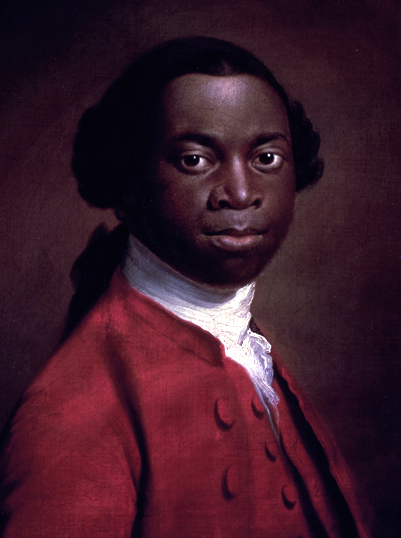
8. The Interesting Narrative of the Life of Olaudah Equiano.......................55
9. People's Almanac #2.................................................................................15
10. Edward D. Johnson--The Handbook of Good English............................13
11. Complete Works of Lord Byron...............................................................11
12. Frances Calderon de la Barca--Life in Mexico.........................................8
13. Grand Funk Hits (record).........................................................................6
14. Sword and Sorcery: The Divine and the Defeated...................................5
15. Deidre Knight--Parallel Fire....................................................................5
16. Evelyn Anthony--The Cardinal and the Queen........................................3

Michael Millner's Fever Reading procured no points and thus failed to qualify for the championship. However it did have a naked woman overwrought from her reading on the cover, so it gets an honorable mention here. 


1st Round

#16 Anthony over #1 Exodus
#15 Knight over #2 Her
#3 Anna and the King over #14 Sword and Sorcery

Breaking my usual rule about movies not being able to beat books because I am not counting the Sword and Sorcery thing as a real book.

#4 Tyndal over #13 Grand Funk

I don't really like any Grand Funk songs.

#5 Penman over #12 Calderon.

Calderon should have won in a cakewalk over this genre book. but Penman had an upset in reserve.

#6 Polo over #11 Byron.

Complete works of poets don't really fit in with the Challenge in the way that I read these books, in Byron's case especially, as a couple of his longer poems are on the regular list in their own right. The Polo book interests me somewhat.

#10 Johnson over #7 Shakespeare.

I am giving it to Johnson by a hair, as my library does not have the Arden edition of the Shakespeare.

#8 Equiano over #9 People's Almanac #2.

Final 8

#16 Anthony over #3 Anna and the King
#4 Tyndal over #15 Knight.

Neither of these books registers anywhere in the New Hampshire State Library database.

#10 Johnson over #5 Penman.
#8 Equiano over #6 Polo.

The Equiano book, which appears to be a slave narrative, is almost 200 pages shorter than the edition of Polo that is available to me.

Final 4

#16 Anthony over #4 Tyndal
#8 Equiano over #10 Johnson

Championship

#8 Equiano over #16 Anthony.


Thursday, March 5, 2015

Robert Penn Warren--All the King's Men (1946)

This was a real book, of the old school. Winner of the Pulitzer Prize in 1946, the film version garnered the Oscar for best picture three years later, indicating that the story was seen in this country at least as one of the seminal works of the immediate postwar years. While there are a lot of things in and about this that I like I was really impressed with the beginning of the book, the first 100-150 pages or so. A lot of the books on this list, even when they are great literature, are books that are thought to hold some appeal for teenagers and lesser experienced readers. But the beginning of All the King's Men, I thought, was something even a real man might want to read. There were political machinations, graft, corruption, personal and sexual power and domination, the interaction of highly skilled professionals in various fields in various arenas where power, money and women are contended for.  As the book went on however (my edition had 464 pages), it took the course of being less and less constantly centered on Willie Stark, the Huey Long stand-in who was by far the most compelling character in the book, and more on the narrator, Jack Burden, who though a little more hard-bitten than the usual examples of the type, is more of a traditional writerly character. The amount of space devoted to recollecting his long and not especially eventful romantic history with his adolescent girlfriend I think was especially unfortunate. I don't mind a little of that sort of thing, especially when it can serve to set a certain nostalgic atmosphere or mood, but this went way beyond that. A lot of modern readers find fault as well with the fairly lengthy Cass Mastern interlude, which is about the journal and romantic intrigues of one of Burden's Civil War era relatives, but I actually liked it. Flashbacks to the Civil War in southern novels, especially of this period, where the connection was still so palpable and personal, are usually pretty interesting.

The style of this book, which is highly descriptive and tends somewhat towards what would now be considered the wordy side, is very reminiscent of much masculine American literary writing in that era from around the mid-30s to the mid-60s, which is what I largely grew up on, but which I had not revisited in some years. I can still re-adapt to the style fairly easily, though it takes a couple of paragraphs for me to get back in the particular frame of mind needed to consume information in this form. I bought my copy of the book at a library sale in 1986, and have been lugging it around all this time, though I had not read it until now. The title page says it is a first edition, though it had already long been re-bound in orange library binding (which I kind of love anyway, by the way). The pages were yellowed and the book looked and felt like an antique to me even at that time, though the novel itself would only have been forty years old.


I am trying to convey what I most like about this book, for it has some very fine and powerful qualities. Since I am not being paid to produce polished essays, I am going to try to list some things that come to my mind bullet-point style:

1. The parts about driving on the old, (though at the time of the book's setting, they were new) lonely highways through the rural country and small towns and even the modest cities of Louisiana, which seems to have been still very much a quasi-feudal place in 1930 are very evocative.

2. There is often a sinister sense in books set in the 1930s in places outside the direct cultural authority of New York, London, Paris, Hollywood, and certain kinds of windblown midwestern American towns, and the character of Willie Stark especially gives this book a little bit of that, as if there is something bad in this environment that would crush any weaker person and that cannot be avoided or escaped from even by a stronger one. All of the indoor scenes feel to me to be taking place under dim institutional lighting, and the outdoor ones to carry some aura of geographical oppression in them.

3. I would not have wanted to live there, but I admit to having a fascination for certain aspects and relics of the Old South, particularly the era from 1910-1950 or so. When I am in that part of the world as a tourist I find I experience a certain sensation, almost like a thrill of danger, if I come upon old building or monument or even a tree that appears to have been overlooked in the process of modernization and preserved something of the old sinister but also in a way organic and vital aura that is usually lacking in the modern landscape. This is certainly not a romantic impulse, and a lot of these instances evoke a sense of horror or repulsion in its associations, but there is an attraction to it at the same time because of the darkness and reality that has been so well preserved in these kinds of books. There is some of that in here.

4. Another of my little tourism hobby horses is visiting state houses, which are usually old, attractive, uncrowded places, with a sense of drama and grandeur in understated ways. They often have old and somewhat grand bathrooms, for example, or staircases, or elevators, or light fixtures, or trees on the grounds, that have not been substantially modernized since the end of World War II. So it was enjoyable for me that much of the book took place in one of these buildings.


Most of the other things that come to mind are repititions of things I have already touched upon.

The New and Improved Bourgeois Surrender Challenge

I had written last time of changing the challenge to a tournament format. My initial plan had been to include every book (or movie, or record album) that came up in one giant tournament, but the magic words for All the King's Men produced around 70 competitors, most of which, as you can get a hint of in the list below, consisted of prestige books, which was a departure from the last Challenges under the old system. I decided to limit the field to the top sixteen contenders and see how that worked out:

1. Hunger Games: Catching Fire (movie).....................8,580
2. Secret Life of Walter Mitty (movie-2012)..................2,392
3. Carlos Ruiz Zafon--Shadow of the Wind....................1,633
4. Betty Smith--A Tree Grows in Brooklyn....................1,475
5. Salmon Fishing in the Yemen (movie)........................1,278
6. Donna Tartt--The Little Friend......................................924
7. David Foster Wallace--Infinite Jest...............................792
8. Night of the Living Dead (movie)..................................699
9. Nicole Krauss--The History of Love..............................599
10. Elizabeth Gaskell--North and South............................598
11. Jonathan Safran Foer--Everything is Illuminated........584
12. Charade (movie)..........................................................583
13. Don Delillo--Underworld.............................................397
14. Cecilia Ahern--P.S. I Love You.....................................396
15. Salman Rushdie--Midnight's Children.........................346
16. Virginia Woolf--To the Lighthouse..............................308

First, or Sweet Sixteen Round

#16 Virginia Woolf over #1 the Hunger Games.

Any good book will always have the preference over any movie in these tournaments, with the exception of one circumstance that I will reveal if the case ever arises.

#15 Salman Rushdie over #2 Walter Mitty

#3 Carlos Ruiz Zafon over #14 Cecilia Ahern

I don't know anything yet about Carlos Ruiz Zafon but the Ahern book appears to be a cookie-cutter genre/romance novel for the wine-drinking, shoe-shopping Sex in the City crowd, and I had marked it for automatic elimination against any 'real' book.

#4 Betty Smith over #13 Don Delillo

Besides being the higher seed, Betty Smith's book is shorter, older, and is more in the range of what I feel like reading at this time.

#12 Charade over #5 Salmon Fishing in the Yemen

Any movie with some claim to classic status that I have not seen will almost always have the preference over a more modern movie.

#11 Jonathan Safran Foer over #6 Donna Tartt

An extremely tight battle between two books that came out in the same year (2002), neither of which I am especially interested in reading. Foer wins because it's 300 pages shorter.

#10 Elizabeth Gaskell over #7 David Foster Wallace

Though I am not dying to read him either, I would give David Foster Wallace the win over markedly inferior competition. However Mrs Gaskell is good competition, she is older, and even at 521 pages her book is half the length of Wallace's.

#9 Nicole Krauss over #8 Night of the Living Dead.

Nicole Krauss has come up on the challenge twice now. I am mildly interested in her.

Elite 8

#3 Carlos Ruiz Zafon over #16 Virginia Woolf

Virginia Woolf loses here because I have already read To the Lighthouse. It is of course a great book, or at least I thought it was at the time that I read it, but I am curious enough about the highly seeded Zafon to be comfortable pressing forward with him.

#4 Betty Smith over #15 Salman Rushdie

Another grinder for Betty Smith over a powerful modern brand. However, her book was still shorter as well as older, and she was the higher seed as well. Those are deciding factors in this tournament.

#9 Nicole Krauss over #12 Charade

I have not read enough of the new young literary people to be be desirous of dismissing them out of hand against movies. Yet

#11 Jonathan Safran Foer over #10 Elizabeth Gaskell

Foer probably would have won here anyway due to his book's being 300 pages shorter. However a third criterion I am using is local library availability, and North and South does not seem to be in the collection of either of the libraries I can go to.

Final Four

#11 Jonathan Safron Foer Over #3 Carlos Ruiz Zafon

Availability and publication date were a wash here. Zafon got extra consideration because his book is a translation and we get so few books not written in English on the Challenge. Foer again wins by a nose because his book is 200 pages shorter. I don't mean to emphasize length so much, but I already have two literary lists I read off of, and this challenge is intended to be a means for me to find some fun reads that did not quite qualify for either of my lists and to keep in contact what is going on in contemporary life without excessive tension and anxiety.

#4 Betty Smith over #9 Nicole Krauss

Along with Foer, Betty Smith had the toughest draw in the tournament, Krauss's book is considerably shorter, but Smith wins on age and for being the higher seed.

The championship

#4 Betty Smith over #11 Jonahan Safron Foer.

Similar set-up to the Krauss win. A Tree Grows in Brooklyn is clearly the kind of book that I like, and I am looking forward to reading it.